
Never throw away coffee grounds!
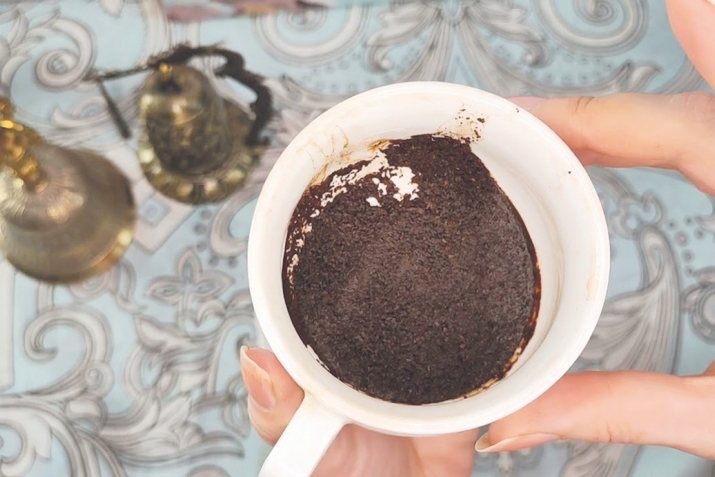
Many of us start our day with coffee and prefer natural ground coffee to instant coffee (there are pros and cons to both but that is not what we are talking about now).
After the drink has invigorated us, there are coffee grounds at the bottom of the cup, which we usually throw away. It would seem that there is no more we do with them? However, it turns out that you can give them, as they say, a second life. No, we are not talking about re-brewing.
Let us talk about how one can use used coffee to both benefit herself and help reduce waste on Earth. So, dry the coffee grounds left over from drinking coffee on a plate and pour them into a jar.
Slugs, out!
Garden owners are familiar with the invasion of voracious slugs, especially during prolonged rains. It turns out that coffee can encourage them to get out of our territory. To do this, pour about 200 grams of dry grounds into 0.5 liters of hot water (but not boiling water), leave for 4 hours, and then spray strawberries and cabbage (if you grow roses, they can also be treated this way).
Washing surfaces
If you mix a little dry coffee grounds with a small amount of detergent, this mixture will help clean dirty dishes, such as a baking sheet, frying pan or saucepan. You can also clean ceramics, crystal, earthenware and even porcelain with this product without fear of scratching the surface.
A treat for vegetables
Again, for garden and vegetable garden owners: coffee grounds can be used as a component of fertilizers, adding them to compost - about 500 grams for each hole. Thus, the humus will be enriched with microelements useful for plants, in particular nitrogen.
Wasps, out!
If wasps and flies start bothering you, place coffee grounds on a fireproof surface and set them on fire. The pungent smoke scares away these insects.
Aromatic home
Place dried coffee grounds in small containers, add a couple of drops of your favorite essential oil, such as cinnamon, and place them around the room. The aroma is natural and very pleasant.
Eliminating odors
Coffee grounds will help to cope with a strong smell, such as garlic or fish, from your hands or kitchen utensils, such as a knife or cutting board. To do this, wash them using a small amount of used coffee.
Coffee for handmade
Many of us like to undertake handicrafts. Our coffee grounds are a great material to use for this purpose. The dried pulp can be used to fill homemade anti-stress toys - firstly, it rustles attractively when pressed, and secondly, it helps the sewn figures keep their shape. Coffee grounds can be added to the solution for making homemade soap and homemade candles.