

Teaching children to help their mother
Teaching children to help their mother
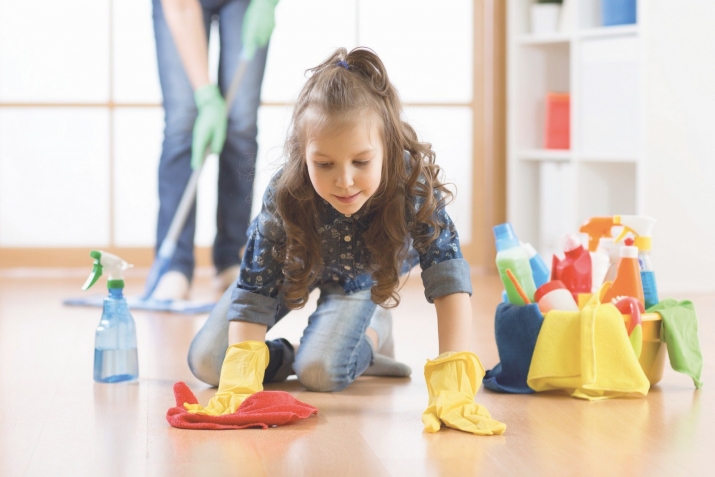
Helping around the house is not only a duty but also an important lesson that helps children develop responsibility, independence and respect for work.
In addition, in the modern world, where every day is filled with many things to do and worries, children’s help with household chores becomes a great help for the mother. However, many mothers face a problem - the unwillingness of children to help at home. Why does this happen and how to put it right?
Mother’s omissions in parenting
One of the reasons may be the mother’s insufficient attention to nurturing a sense of responsibility and independence in the child. If the mother always does everything herself, without giving the child the opportunity to try his hand, then he may grow up uninitiated and incapable of independence. One can understand a mother who wants to do all the chores as quickly as possible: after all, one will probably have to redo the child’s chores: wash the dishes, re-wash the dress ... However, one should remember: it is better to spend time teaching the child while he is small than to wait in vain for help from him later.
A newspaper’s “Helpline” received letters from women asking for advice from a theologian and psychologist on how to act in a situation where their grown children do not help their elderly mother. Although they live nearby, are healthy, and have free time, but... At the same time, as an argument that they are worthy of their children’s help, women emphasized, “I gave myself entirely to the children”, “I never asked the children for anything, I did everything myself...”
Another possible reason is the lack of a clear division of responsibilities between family members. If everyone does whatever they want, without taking into account the interests of others, this can lead to conflicts and unwillingness to help.
It is also important to consider the child’s age. Small children are not yet able to perform complex tasks, so it is important to give them tasks that correspond to their age and capabilities.
What should a mother do to avoid such a problem in the future?
Let us share with you some tips that can help.
Division of responsibilities. It is important to clearly distribute responsibilities between all family members. This will help avoid conflicts and make assistance more effective. For example, one can ask his child to water the flowers, gather up the toys, feed the cat, take out the trash or wash the dishes.
Age-related characteristics: Consider the age of children and give them tasks that match their abilities.
Gradually complicating task: Start with simple tasks and gradually make them more difficult. This will help the child feel he or she is significant and important.
Praise and support: Encourage the child for their help, even if it seems insignificant. This will help them feel their significance and self-confidence.
Explaining the meaning of help: Tell children why helping around the house is important. For example, one can explain that it helps to keep the house tidy and clean.
Personal example: Show your children how one not only does one’s own chores, but also helps others - for example, older family members, grandparents or elderly or sick neighbors. This will help the child understand that providing help is the norm.
Involvement in planning: Let the child participate in planning household chores. This will help him feel responsible.
Respect for personal space: Respect the child’s personal space and do not force him or her to help if he does not want to. But try to gently push the child towards independence.
No criticism: Do not criticize children for mistakes, but help them correct them themselves. This will help not to be afraid of failure.
Joint activities: Do something together - for example, cook dinner or clean the room. This will help the child feel part of the team.
Patience and understanding: Remember that every child is unique, and it may take different amounts of time for children to learn to help.
It is important to remember that helping children with household chores is not only a duty, but also an opportunity to teach them responsibility, independence and respect for loved ones. With the right approach, this can become the basis for harmonious relationships in the family.
