
The Importance of Studying
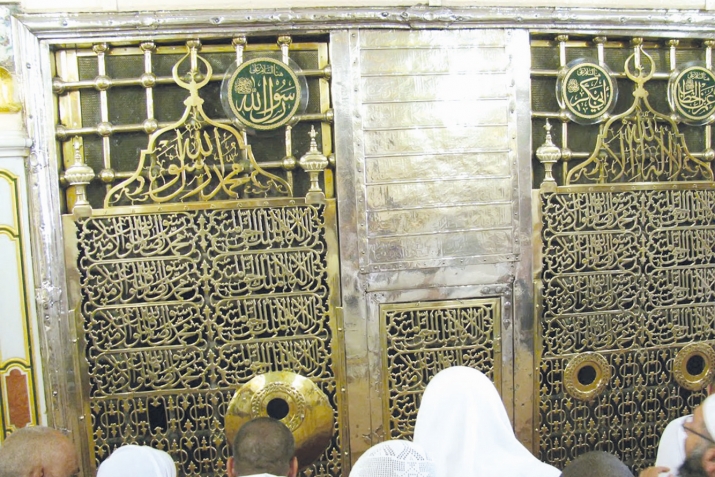
the Biography of the Prophet Muhammad ﷺ
From the book “Understanding the Life of the Prophet ﷺ” by Dr. Muhammad Said Ramadan al-Buti
Studying and understanding the life of the Prophet ﷺ is not simply an introduction to historical events and interesting or beautiful stories, nor is it a study of the biography of a particular ruler or a particular historical era from bygone times.
The main goal of studying the biography of the Messenger of God ﷺ is to understand the true Islamic reality, its essence as a whole, as embodied in the life of the Prophet ﷺ.
If we examine the concept of the embodiment of prophetic biography in detail, we arrive at the following:
- Understanding the personality of the Messenger of God ﷺ through studying his life and the circumstances in which he found himself. The conviction that Muhammad ﷺ was, first and foremost, the Messenger of God ﷺ, whom Allah ﷻ supported and strengthened with Revelation (the Koran).
- Following the example of the Messenger of God ﷺ in all matters and areas of life, accepting it as a law that must be strictly adhered to.
Undoubtedly, no matter what life situation a believer finds himself in, he will inevitably find an example to follow in the life of the Messenger of God ﷺ. After all, Allah ﷻ made him a model for all humanity, saying (meaning of the commentary), “In the Messenger of God ﷺ is an excellent example for you…” (Sura Al-Ahzab, ayah 21).
- Understanding the Book of Almighty Allah (the Koran), gaining knowledge of it through studying the biography of the Prophet ﷺ. After all, a large number of Koranic ayat are interpreted and commented on in connection with the events that befell the Messenger of God ﷺ and his position in these situations.
- Developing a correct understanding of the culture, foundations and principles of Islam, including the sciences of doctrine, legal norms, and morality, through studying the biography of the Messenger of God ﷺ, as there is no doubt that his life is a model for the embodiment of all the principles of Islam.
- Demonstrating exemplary methods of education and training to teachers and Islamic preachers. After all, the Prophet Muhammad ﷺ was a successful teacher and noble educator, who applied the best methods of education and training at different periods of his call.
Truly, achieving all these goals through studying his life is possible due to the fact that his life encompasses all human and social aspects. His life and methods of influencing others are an excellent example for a believer focused on fostering correct relationships in society.
The Messenger of God ﷺ is a model preacher, calling to Allah ﷻ with wisdom and good guidance, making every effort to convey the truth to people. He is also a model head of state who skillfully manages affairs. He is an excellent example of an exemplary husband in his dealings with his wives. He is also an example of a gentle, polite and kind father, mindful of the fine line between the rights and responsibilities of each spouse and child. Furthermore, he is an example of a skilled military commander and an experienced and truthful politician.
Therefore, studying the biography of the Prophet ﷺ is nothing less than revealing all the sides and facets of humanity, best represented through his life examples.
The Life and History of the Prophet ﷺ
The life of our master Muhammad ﷺ is undoubtedly the cornerstone of a great historical era, one that Muslims are proud of, wherever they live and whatever language they speak.
Muslims wrote history from this life, as the first historical events Muslim writers recorded were those from the life of the Prophet ﷺ. They then recorded the events that followed them, right up to the present day.
Even the history of the period of ignorance (jahiliya) of the Arabian Peninsula before Islam was preserved by Muslims, both Arabs and other peoples. They recorded it in light of the teachings of Islam, which defined the significance of the period of ignorance and in light of the great historical event expressed in the birth of the best of people, Muhammad ﷺ, and his life.
Therefore, the life of the Prophet ﷺ is the axis around which the history of Islam in the Arabian Peninsula revolves. It even plays a role in influencing, firstly, the events that took place in the Arabian Peninsula and, secondly, the events that took place in the rest of the Islamic world.
The art of transmitting historical events among Arabs and Muslims reached a level of precision in scientific research, in recording events and in recognizing their authenticity that no one had ever achieved before. However, they would not have discovered this method and would not have succeeded in developing and practicing it in their historical writings, if not for the biography of the Prophet ﷺ, which they recorded, driven by religious necessity, authentically, flawlessly and without allowing for any ambiguity or slander. This is because they understood that the biography of our master Muhammad ﷺ and his Sunna are the first key to understanding the Book of Allah, the Most High.
Muslims of that time were deeply convinced of the prophethood of the Messenger of God ﷺ and that the Koran is the Word of Allah, the Most High, that they bear responsibility for acting in accordance with it and that Allah ﷻ will hold them accountable for it. This profound conviction motivated them to exert incredible effort to develop a scientific method that would protect the facts of the Prophet’s ﷺ biography and his pure Sunna.
By scientific method, we mean the rules of hadith studies and the science of accepting and rejecting a narrator. It is well known that these rules were originally intended for working with the pure Sunna, for which the Prophet’s ﷺ biography was to serve as the foundation. Only later did they become a method for working with history and a tool for discerning the truth. From this it becomes clear that writing the biography of the Prophet ﷺ was a broad and important gateway through which Muslims came to the study of history and to its writing in general.
How did the writing of the biography of the Prophet ﷺ begin and then develop?
Chronologically, writing the biography of the Messenger of God ﷺ comes second only to writing the Sunnah of the Prophet ﷺ. Undoubtedly, writing the Sunnah, that is, the sayings of the Prophet ﷺ, generally preceded the writing of his biography. After all, it is known that the recording of the Sunnah began during the lifetime of the Messenger of God ﷺ, by his own command.
This occurred after he became convinced that his companions had recognized the vast difference between the unrivaled style of the Koran and the eloquent style of the Prophetic sayings and would no longer be confused between them.
As for the recording of the biography of the Messenger of God ﷺ and his military campaigns in general, it began later than the recording of the Sunna, despite the fact that the Companions paid particular attention to transmitting the description of his life and military campaigns orally.
To be continued…