
Valuable Advice How to Raise Children
In one of our previous issues, based on the work of renowned Arab child-rearing expert Dr Mustafa Abu Saad, we discussed three types of parents.
Firefighters, animal trainers and positive educators – this is the classification Mustafa Abu Saad uses in his works.
I would like to continue exploring the topic of raising children, as it is a broad and always relevant topic. Our children are the axis of society and a starting point in the lives of those who decide to become parents. So, let us consider valuable advice from Dr. Mustafa Abu Saad, which I believe will help every parent become more mindful and attentive to their child.
Self-reliance
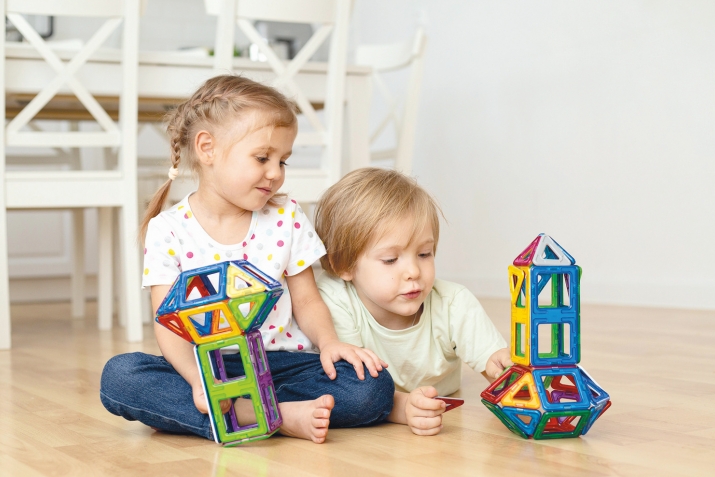
This means allowing your child to become self-sufficient. Most mothers, unlike fathers, raise children who are dependent on them. The problem is that humans, by nature, want to be independent. Around eighteen months, every child already wants to do everything on their own. And it is often their mother who gets in the way. The child wants to feed him/herself, dress himself and do many other things. Yes, they will get their clothes dirty; yes, they will spend half an hour getting dressed and not the right way. But the child will learn independence. The problem is, they will not always resist and persist, but for a while and then they will decide to give in. And then a so-called comfort zone forms, which will follow your child throughout his life and hinder him. Therefore, teach your child independence from eighteen months. Of course, as you understand, this does not mean leaving him to his own devices. But let the children learn to feed themselves, dress themselves, do their homework and so on.
Development of Life Skills. The first seven years of life are a crucial stage in a person’s development – the development of life skills. At this age, children are just beginning to think, explore the world around them, show initiative, strive for independence, make decisions, be stubborn, etc. This is extremely important. If they are prevented from developing life skills before age seven, they will be very difficult to learn later.
Proper motivation. Parents often become irritated, critical and dissatisfied with the behavior of young children. But is this beneficial for parenting? In fact, you should not overlook a child’s negative behavior or dwell on it. However, if they do something good, you should definitely praise them, “I am so proud of you,” “My son (daughter) is wonderful, well-behaved and well-mannered,” etc. In other words, you need to motivate your child using only positive methods.
Positivity in life. It is a well-known fact that raising children begins with parents raising themselves. It is important for parents to be positive and emphasise the positive. We see what we want to see, we shape our own reality, our thoughts, desires, fears, our situation, we create all of this in our heads. Do not infect your children with a spirit of pessimism, negativity, perpetual discontent and grumbling. Teach them to see beauty.
Be a teacher. A good parent is always a teacher. What does a teacher do? That is correct right, they teach. They impart knowledge. The point is, not every parent is a teacher. Often, at home, they act as a prison guard, a prosecutor investigating children and a judge handing down sentences. This is not what we need. What we need (parents and teachers) is to arm ourselves with immense, exemplary patience.
Be a source of support and encouragement. Parents are obli-gated to be a source of encoura-gement and encouragement for their children if they want to raise them to be happy adults. Dr. Mustafa Abu Saad asserts: if you provide your child under ten with a phone, iPad, game console, and so on, you are not a source of encouragement for them. What do you think of this statement? Abu Saad explains his assertion by saying that a child given free use of electronic devices (before age ten) regresses. They lose their abilities, their personality and their social life.
Respect. Respecting your child means accepting them as they are. Do not say, “My son (daughter) is wonderful, but if only this and that were different...” Accept your children as they are. And to accept, you must learn to separate actions from personality. For example, when you see your child misbehaving, do you dislike their behavior or the child themselves?
Let us test ourselves. For example, if a child breaks something expensive, what do you do? If you yell at them, scold them, or hit them, you’re directing all your anger at them, not at their actions. I think the difference is crystal clear. If a child has done something bad, you should call them over, hug them, tell them you love them and only then express your displeasure. But not at the child, but at their actions! Then you can say you’re able to separate actions from the person. This behavior demonstrates your respect for them.
And finally, raising children is a great art, requiring knowledge, patience and great, immense love.