
Foods which the prophet Muhammad liked and their benefits
Let’s take a look on some of them.
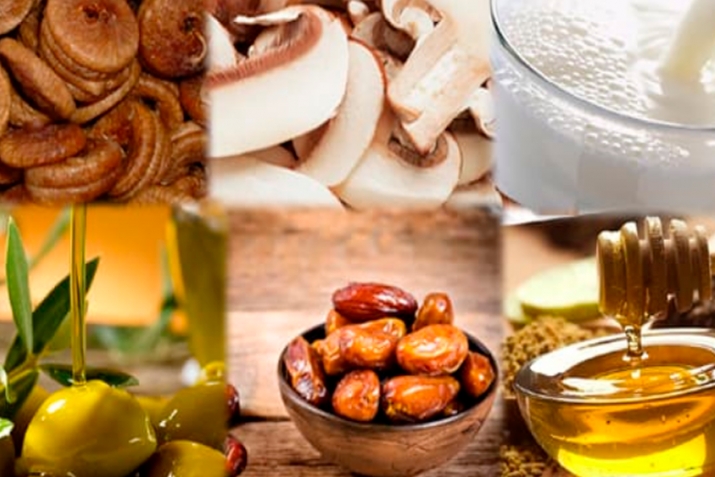
- Barley: Good for fever, while used in the form of a soup.
- Dates: The Prophet (peace and blessings be upon him) said that a house without dates has no food. These should also be eaten at the time of childbirth.
- Figs: They are a fruit from Paradise and a cure for haemorroids.
- Grapes: The Prophet (peace and blessings be upon him) was very fond of grapes – they purify the blood, provide vigour and health, strengthen the kidneys and clear the bowels.
- Honey: Considered the best remedy for diarrhoea when mixed in hot water. It is the food of foods, drink of drinks and drug of drugs. It is used for creating appetite, strengthening the stomach, eliminating phlegm and as a meat preservative, hair conditioner, eye soother and mouthwash. It is extremely beneficial in the morning in warm water.
- Melons: The Prophet (peace and blessings be upon him) said, “None of your women who are pregnant and eat of watermelon will fail to produce offspring that are good in countenance.”
- Milk: The Prophet (peace and blessings be upon him) said that milk clears away heat from the heart just as the finger wipes away sweat from the brow. It strengthens the back, improves the brain, renews vision and drives away forgetfulness.
- Mushrooms: The Prophet (peace and blessings be upon him) said that mushrooms are a good cure for the eyes; they also serve as a form of birth control and arrest paralysis.
- Olive oil: Excellent treatment for skin and hair, delays old age, and treats inflammation of the stomach.
- Pomegranate: The Prophet (peace and blessings be upon him) said it cleanses you of Satan and evil aspirations for 40 days.
- Vinegar: A food Prophet Muhammad (peace and blessings be upon him) used to eat with olive oil.
- Water: The Prophet (peace and blessings be upon him) said, “The best drink in this world is water, when you are thirsty drink it in sips and not gulps; gulping produces sickness of the liver.”
SOURCE: AGENCIES