
Healthy Foods
Healthy Foods
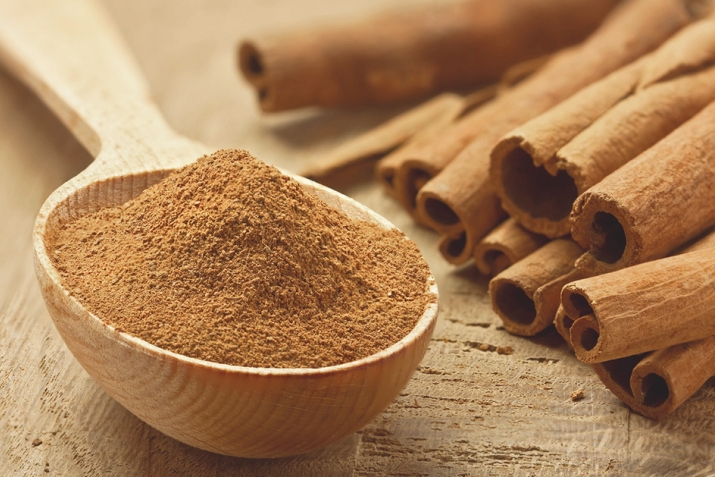
Cinnamon
The nature of cinnamon is hot and moist. It relieves cough, cleanses and strengthens the liver and stomach and helps with epilepsy and increased heart rate.
Hippocrates said, “Cinnamon preserves a person’s strength while he is alive and improves insight and intelligence.”
Zhalinus (Galen) believed that “Cinnamon helps with forgetfulness and cleanses the stomach and brain.”
Cinnamon improves vision. If one inhales it through the nose and it causes sneezing, it will help with headaches. It also treats inflammation of the facial nerve and helps with jaundice. It helps lower blood sugar and strengthens the heart muscle. Cinnamon can be added to coffee, porridge and other dishes.
In case of general weakness of the body and to strengthen the immune system, it is recommended to take honey and cinnamon daily: dissolve 1 teaspoon of honey in a glass of water, add 0.5-1 teaspoon of ground cinnamon and drink on an empty stomach. This solution strengthens the body’s defenses, protects against bacteria and viruses and reduces blood cholesterol levels.
Contraindicated: during pregnancy and for people prone to internal bleeding.
Corn
The nature of corn is cold, dry and moderate. Corn softens the stomach and is easy to digest. Corn flour with sugar helps to normalise blood circulation, strengthens the cardiovascular system and lowers the temperature. Corn flour porridge in milk with added sugar strengthens the body and is an easily digestible food.

In medicine, corn cobs with stigmas, seeds and corn oil are used. An important component of seeds is starch, which has enveloping properties. Corn silk (long grassy fibers) is used as a diuretic, anti-inflammatory, choleretic, hemostatic agent in the treatment of kidneys (urolithiasis, nephritis, cystitis), liver (cholecystitis, hepatitis), urological diseases, edema of various origins.
Recipe: Boil 1 teaspoon of dry raw material for 5 minutes in 250 ml of water; drink 1/3 cup 3 times a day.
Muhammad Dibirov
Islamic medicine therapist