

Ten reasons to wear a hijab
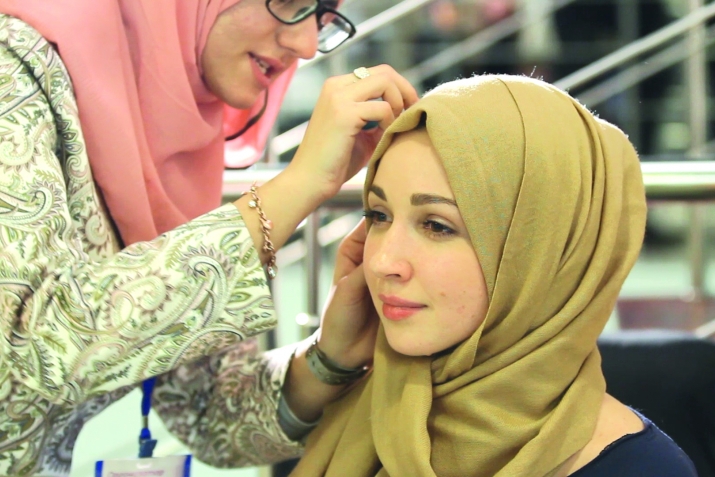
Several years ago I discovered the hijab, and, by the grace of the Almighty, today I wear this garment with joy and pride.
In this article I would like to tell you about the reasons why the believing sisters wear the hijab. I hope this information will inspire many other beautiful women to take this important step and put on the hijab.
Well, why hijab?
1. Hijab is an obligatory command of the Creator, the Lord of the heaven and the universe.
2. Everything that He, the All-Knowing, requires us to do is definitely of a great benefit to us, even if we do not understand it. We trust the doctor and follow his directions and prescriptions even when he gives us a bitter medicine that we do not like, because we believe that he can help to make us heal. So how can we not trust our Creator when He requires us to do something for our good?
3. The best action through which one can come close to the Almighty is to humbly and sincerely follow His instructions. There are many benefits for a woman in the hijab; I felt it as soon as I covered myself. A kind of special atmosphere of harmony and peace has not left me since then.
4. Hijab is a spiritual light for a woman; it enhances and protects her spiritual radiance. Hijab is a sign of faith. This is the greatest mercy of the Almighty given to a woman.
5. Hijab gives a feeling of power. Nobody sees your figure; everything is under your control. Only your face and hands are open, everything else is covered under a reliable and modest veil. This is the way the Almighty protects and exalts the woman.
6. A Muslim woman should not blindly follow society, fashion or what people think is beautiful and fashionable. She is a leader, not a follower. Today more and more fashion designers and owners of fashion houses focus on modest fashion and collaborate, taking into account the requirements of Islam, and producing collections for Muslim women.
7. Hijab helps people not to be distracted by a woman’s appearance, rather they focus on her intellect, on her talent and on the things she wants to convey. It helps everyone who works with a woman to focus on what really matters.
8. Our body is amanat (what is entrusted to us by the Almighty). We temporarily live in this body. Therefore we must treat it as the Creator ordered us. The benefits of the hijab, including from a medical point of view, have been proven by world leading experts.
9. The requirement to be modest applies to everyone. Women dress modestly, while men lower their gaze; we must help each other, not destroy one another. It will help to preserve morality and mutual respect in society.
10. All the instructions of the faith are commands of the Almighty. They give us value. A woman’s hijab is her adornment and protection, her strength and weapon, her moral guideline and sign of faith. Keeping all the instructions of the Lord is a guarantee that makes our lives more purposeful, dignified and productive.
SAIDA IBRAGIMOVA
