

Advices on how to make one’s child eat
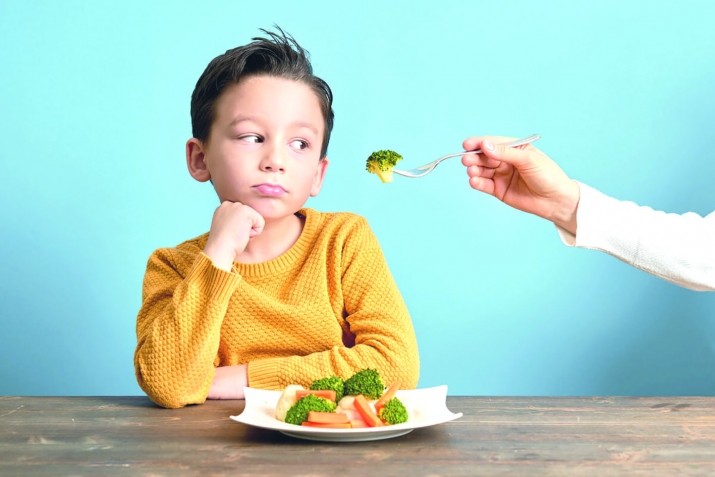
Consider the situation when the baby permanently does not want to eat. This is not about those cases when he either did not have time to get hungry or have spoiled his appetite with something, or does not feel well, or he is simply overfed and the young body cannot cope with such an amount of food. As a rule, mothers (because fathers are at work) and grandmothers deal with such matter. Therefore, dear female readers, we are the ones more likely to solve the issue.
Well, what should one do to make the child have breakfast, lunch, afternoon snack and dinner without any whims? Let us address ourselves to the advice of experts.
There are children, generally those of a slim build, who do not want to eat at all. They will not refuse sweets, but even if they do not spoil their appetite with sweets, they still do not show any interest to the dish on their plate. At the same time they are quite healthy and energetic according to their age. What do child psychologists, nutritionists, educators and other “specialists in the younger generation” say to this matter?
The first tip is to vary the food offered. Yes, there are conservative kids who prefer familiar food and are wary of something new, but that is not the point. For example, you want to feed your child with healthy cauliflower but he does not like it boiled. Therefore, you can make mashed soup or bake it in the oven with other vegetables or in general be creative and cook cauliflower the way nobody recognizes it by both taste and form. But at the same time the vitamins will be saved!
The second tip is to be patient. In no case force the child to eat, especially if the dish is one of those that he categorically does not like. This can cause stress in the baby and disgust for the thing that he simply did not want before. Moreover, it will affect health. Unfortunately, some adults sometimes go too far when they wish to force-feed the child with food he dislikes. I remember one case that happened a few years ago. A boy of preschool age refused to eat an unloved pea soup, and his grandmother, apparently wishing to introduce her grandson to the word “must” (as she understood it), began to feed him only with pea soup. As the result, the child was taken to the hospital with a diagnosis of “intestinal obstruction”. The doctors miraculously managed to save him.
The third tip is to have a meal schedule. Breakfast, lunch, afternoon snack and dinner should be at a constant daily time. If you allow a child to have snacks between them, you can say goodbye to the desire of your baby to eat at the time allotted.
The fourth tip is to pay attention to the size of portion, which should be appropriate for the age of the eater. You have to admit, that it is better to put a little on the child’s plate so that he finishes everything (or maybe even asks for more) than to give such a huge portion that it would be a hard work even for an adult to eat such an amount.
The fifth advice is to eat together with the whole family. The example of adults close by is contagious, so the baby will follow them and eat the meal, even if he does not feel particularly hungry. Of course, the atmosphere at the table should be friendly.
The sixth advice - do not hasten the child. If he is not hungry, he will eat quickly just to get rid of this unpleasant occupation as soon as possible. Such a quick eating of food is unlikely to be beneficial. The little ones must have meals at the speed which is comfortable for them.
The seventh tip is to have a walk before eating. Fresh air and movement tend to increase appetite.
The eighth tip: no distractions. When it is time for a meal, eating should take place at the table and not in bed or on a carpet or in other places where the baby can be distracted. And most importantly – do not allow the child to have toys or phone in hand or watch TV when he eats.
The ninth tip is to decorate your dishes. You may cut stars and other figures out of vegetables to interest the child.
The tenth tip is known tricks that still work. They include an element of a game. For example, we say “a spoon for mom ... for dad ... for grandma ... for grandpa ... and so on”, or “open your mouth, an airplane is coming”, etc.
Of course, these are not all the ways to make your child friends with food. Your creative thinking can come up with a lot of interesting things.
