

How to calm a whining child?
How to calm a whining child?
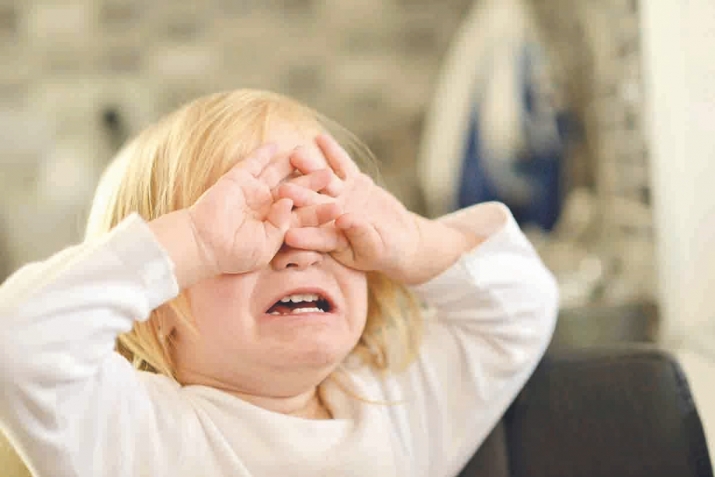
Long, causeless childish whining is very exhausting for both the parents of the little crybaby and everyone around him. How do adults usually react to this behavior of a child? They show their anger and irritation and demand that the capricious one immediately calm down and shut up. This reaction from parents does not lead to results. Today we will share with you tips that will help you quickly change a whiny mood of our daughters and sons into a positive one.
- Whenever your children start whining, smile (this will let them know you are not angry) and calmly say, “I’m really sad that you are crying and I cannot hear you. So please say what you wanted again in a big boy/girl voice.”
- If the whims continue, put your palm to your ear and repeat, “I see you are trying to say something, but I do not understand the language of your whims, my ears do not work. Tell me what you want in your real mother tongue.”
- If the baby begins to behave more calmly, then continue like this: “My ears are so happy because you speak an understandable language. I can hear you perfectly!” After this, be sure to answer his or her request.
- But if the child continues to whine, make an effort of will and ignore the behavior. Shrug your shoulders and ignore your baby’s requests.
- If the quiet howling turns into loud crying, say, “I really want to understand you, but you need to help my ears. I do not understand capricious language. Say what you want in your own language.” If you feel that your baby wants to pull himself/herself together give support and praise. The goal of parents is to gradually teach children the correct, healthy way to express their requests and it is very important to note any efforts, encourage and praise them.
It is important that not only the mother but also the father, grandmothers, and grandfathers react equally to the whims of the child. The calmer and more stable surrounding adults are, the faster his or her behavior will change for the better. An even tone from parents is very important. As soon as the baby feels that whining causes strong emotions among loved ones, he or she will reinforce this habit. Typically, this behavior is typical for children three to four years old, but if the parents’ tactics are incorrect, the child may try to achieve what he or she wants through tears for many years ahead.
