
Modern medicine on the dangers of overeating
Modern medicine on the dangers of overeating
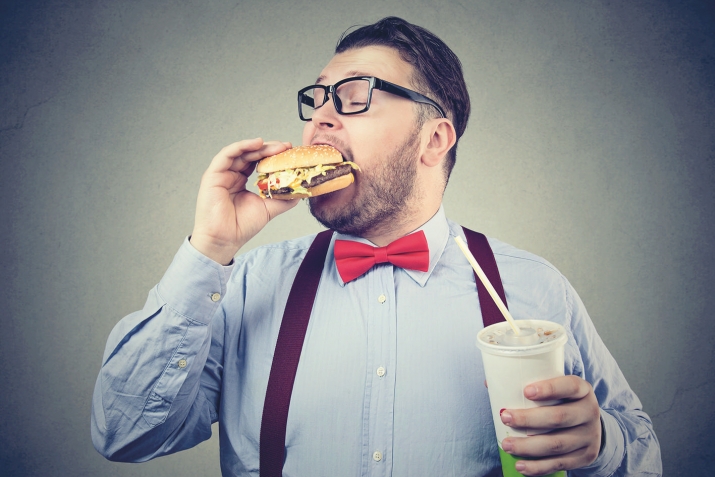
Research by scientists has shown that two meals a day fully satisfies the body’s needs of all adults: both men and women, including pregnant women.
Food provides energy only after it is digested and adsorbed. Complete absorption of food in the stomach and intestines occurs in ten-sixteen hours.
Overeating increased along with people’s prosperity and gradually became a habit. This was also facilitated by the development of technology, engineering, the food industry and extensive advertising. Markets around the world are now filled with all sorts of products as never before in human history. Scientists have calculated that for every person suffering from malnutrition, there are ninety-nine who suffer from one or another disease associated with overeating.
Herbert M. Shelton is one of the founders of the modern science of nutrition - orthotrophy. In particular, he wrote, “Many people resemble molluscs (as if they consist entirely of liver and stomach) or worms, whose entire body is a solid intestine. Some people’s stomach resembles a bag with unlimited stretchability. Our destiny is determined by our appetite, but ingesting just any appetite and any combination of foods cannot be considered normal.”
The results of overeating (gluttony) are masked, especially if digestion is good, but ultimately it is always fatal, dangerous to the health and longevity of the body. “Gluttonous indulgence in careless food mixtures, often physiologically incompatible, has caused more disease and suffering than strong drinks. Fermentation in the digestive tract leads to blood poisoning and this depletes the body’s reserves, which are intended to preserve health and strength until the onset of natural old age.” These words also belong to Dr. G. Shelton.
What happens in the body when you overeat?
When overeating, the body experiences:
– overstrain in the functioning of all organs and systems;
– overload of the digestive and excretory organs;
– blood poisoning by undigested and unexcreted decay products;
– reduction in the physical, mental and spiritual potential of the individual.
Overeating also leads to the premature wear and tear of all organs and systems, illness, old age and ultimately death. Constant overeating disrupts carbohydrate and fat metabolism in the body, all organs are very stressed. First of all, severe overeating affects the heart. Another organ that suffers greatly from overeating is the liver. After some time, almost all liver cells are filled with fat. In addition, the entire gastrointestinal tract suffers from overeating.
How to protect yourself from overeating?
- Do not eat until hunger calls; do not eat “for company”.
Experts distinguish between real and false feelings of hunger: a real or physiological feeling of hunger appears when the level of glucose in the blood decreases with an empty stomach. At this time, signals from the food centre are activated that it is time to replenish the amount of nutrients in the body. During real hunger, the digestive system becomes active, and a person hears and feels a kind of rumbling in the stomach.
A false feeling of hunger appears on a psychological level and has nothing to do with the presence or absence of food in the stomach. Such hunger is caused by many of the above reasons, which do not relate to the body’s direct need for nutrients.
- Eat slowly, chewing your food thoroughly.
Teeth, salivary glands and submandibular lymph glands should work well. Do not eat until you are completely full. Doctors say that it is much better to get up from the table not full but a little hungry.
Modern man has no idea how much he eats. Remember that the smaller the amount of food that enters the stomach at one time, the more perfectly it performs its work and the more efficiently digestion, assimilation and cleansing proceed. Eat according to your physiological capabilities.
Never force children to eat. Do not destroy their instincts. Teach them to eat healthy. Rid your home of artificial unhealthy foods and sweets.
Proper sweets for children are dates, figs, raisins, bananas, etc.
Their proteins are nuts, almond or any nut milk, peanuts, fermented milk products, cottage cheese, poultry and eggs.
Do not impose your regime on your child but also do not forget that a person develops through imitation of you.
If you do not stuff your child with buns and cakes, but teach him to eat natural food, then you will protect him from many diseases and bad habits and in the future you will be able to create for him a high potential of physical, moral and spiritual strength.
The most negative point is that if we constantly try to satisfy the false feeling of hunger after eating, then as a result we contribute to the appearance of problems with the digestive and cardiovascular systems, as well as with our mental state. Emotional instability, self-doubt, irritability appear, leading to the development of depressive states.