

Minimalism according to Sunna: an alternative to the age of consumerism
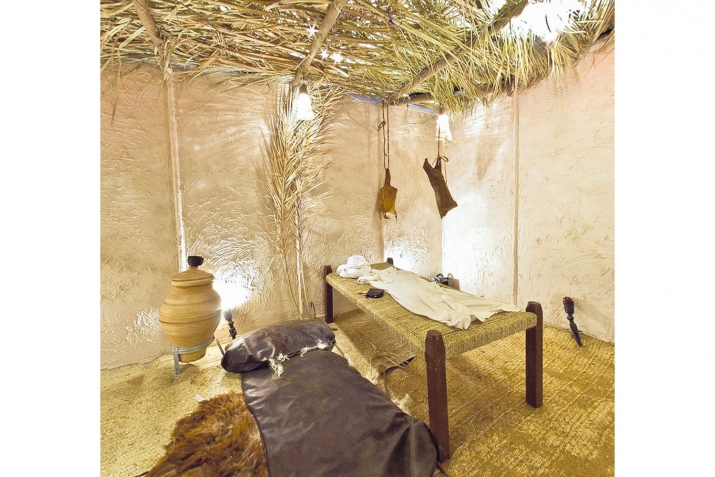
In today’s world, economic progress is increasingly measured by the amount consumed rather than the quality of living.
Overproduction, advertising, the cult of “success” – all these push us towards endless acquisition.
According to the World Bank, 2.01 billion tons of waste are generated annually in the world and by the middle of the 21st century this figure could exceed 3.4 billion. At the same time, internal emptiness, anxiety and the constant desire for “even more” are only increasing.
In response to this crisis of awareness, more and more people are turning to minimalism as a philosophy of life. However, this idea is not new at all. Long before the West began talking about mindful consumption, the Islamic tradition already had a clear and profound concept – zuhd.
Zuhd: the path of moderation, not renunciation
Zuhd is often translated as “asceticism”, but in reality it is not about escaping from the world but about renunciation of its excessive influence. It is liberation from attachment to material things, the ability to be content with what is necessary.
The living embodiment of zuhd was the Prophet Muhammad ﷺ. He did not preach complete renunciation of the world but showed an example of conscious consumption: he lived modestly, shared his property and wore simple clothes. He did not accumulate wealth and respected every natural resource, be it water, bread or fabric. Calling for a conscious attitude to the transience of life and to those benefits that we possess only for a time, the Messenger of God ﷺ said, “Be in this world as if you were a stranger or a traveler.” (Narrated by Al-Bukhari).
To be continued…
