
It’s Arabic
It’s Arabic
Ream
Ream is a measure of a quantity of sheets of paper. It comes from the Arabic rizma, meaning bale or bundle, and the word arrived with the introduction of paper itself from the Arab world in the 1100s and 1200s.
Azure
Azure is a brilliant blue, and has the same root as Lazurite, a rock with a bright blue colour. The Arabic word, lazward, covering both the rock and colour came from Lajward, which was the name of the site of a huge deposit in Afghanistan.
Average
Average comes from the Arabic awar, meaning ‘defect or anything damaged’ that was imported into Italian in the 1100s as ‘avaria’ which referred to ‘damage or loss during a merchant sea voyage’. In time, this moved into French as ‘averie’, and in 1491 was used in English as ‘averay’.
Algorithm
Algorithm: The word comes directly from the name of the Arab mathematician, Mohammad Musa Al Khwarizmi, who worked in Baghdad in the 800s. It came into Medieval Latin with a much wider meaning before it became algorismus in the 1200s.
Alkali
Alkali comes from the Arabic word Al Qali, which was made up of sodium carbonate and potassium carbonate used to make soap and glass. Al Jawhari wrote around 1000 that Al Qali is obtained from glassworts.
Assassin
Assassin comes from Arabic word, Al Hashashoon, meaning a hashish eater. This refers back to the Crusades in the 1200s when the leader of the Nizari sect, who ruled northern Persia, would send followers on targeted killing missions with the drug.
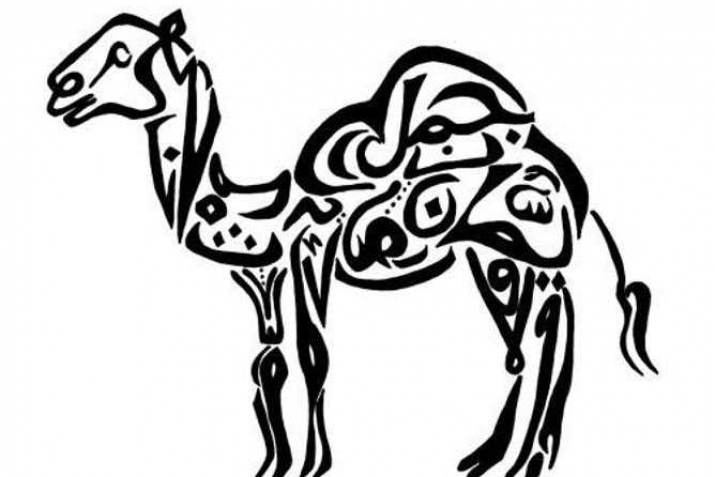
Camel
Camel appears to be a direct transliteration of the Arabic jamal, pronounced in some Arabic dialects with a hard G, which brings it even closer to the English word camel. However, the word first came through the Greek kamelos, and then Latin camelus to English.
Iodine
Iodine is a chemical element with a deep purple colour and antiseptic qualities, which draws its name from its Arabic name, youd, although some refer the root back to the Greek word, iodes, which means violet colored.
Turmeric
Turmeric is a bright yellow aromatic powder widely used in south Asian cooking. It comes from the rhizome of the turmeric plant, known in Arabic as kurkum from which the English name is derived.
Rukbah
Rukbah is a star in the «W» shaped constellation of Cassiopeia, named after the famously beautiful Queen Cassiopeia of classical Greece. The name is originally from the Arabic rukbah (knee) but this is only one of the famous queen's body parts with an Arabic name.
Adil Salami, As-salam correspondent.
Source: Agencies