
It is faith that changes character and attitude toward the world
It is faith that changes character and attitude toward the world
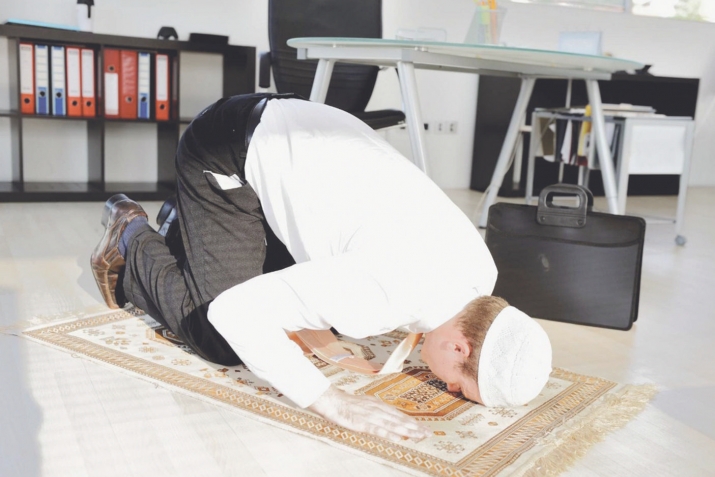
When a person embraces Islam or begins to deeply and consciously practice the faith, something more than an external change in lifestyle occurs within him.
He embarks on a fundamental transformation of his inner essence, what in religious tradition is called “tazkiyat al-nafs”, or purification of the soul.
This process touches the very depths of his character, restructuring his value system, mental habits and attitude toward all things. Islam, in this sense, is not a set of rules but a living system of spiritual education that, step by step, transforms the chaotic impulses of human nature into a harmonious and integrated personality.
From the slavery of passions to the freedom of awareness
One of the first and most noticeable changes is taking mastery over oneself. The average person often lives as a prisoner of his immediate desires, anger, resentments and fears. His actions are reactions to external stimuli. Islamic spiritual practice, based on five pillars, becomes a school of self-discipline.
Daily prayer, performed at a strictly designated time, regardless of mood or busyness, teaches the heart and body to submit to a higher order, not to immediate whims. Fasting during the month of Ramadan is an intensive training of the will, demonstrating that one is capable of mastering basic instincts, such as hunger and thirst. This knowledge gives one incredible strength and confidence. One is no longer a slave to one’s own “wants”, but a conscious executor of the Creator’s will. Such inner freedom from the tyranny of passions is the first and most important step toward character transformation. One ceases to be a toy in the hands of one’s emotions and gains a core and spiritual balance.
Cultivating responsibility and a sense of duty
Islam instills in people a deep sense of responsibility that extends far beyond their personal interests. They begin to see themselves not as an isolated individual, but as part of a vast whole – a community, humanity, and the entire universe to which they are accountable.
The awareness that every action will be presented on the Day of Judgment does not engender paralysing fear, but rather cultivates a state of constant inner focus and attentiveness. This feeling is called “ihsan”, worshiping God as if you see Him before you. It transforms one’s entire life into a conscious act of service. A person begins to monitor not only his actions but also his words and even his thoughts, understanding that all of these carry weight. He is responsible for how he speaks to his parents, how he treats his neighbors, whether he is honest in business and whether his presence harms the environment. His character becomes more focused, serious, and reliable.
Overcoming pride and cultivating humility
Pride, arrogance and egocentrism are rust that corrodes the heart. Islam methodically and consistently combats this. Five times a day, a Muslim prostrates, touching his forehead to the earth – the very depth of creation. This physical act is a powerful psychological and spiritual remedy. It reminds one of his true place before the greatness of the Creator, humbles his spirit and breaks arrogance.
To be continued …