
Sunna of the Prophet ﷺ on food that benefits health
Sunna of the Prophet ﷺ on food that benefits health
The Prophet ﷺ, as far as is known from reliable sources, ate a variety of foods. He did not limit his diet to only one product, even if it was the best.
The Messenger of God ﷺ ate what was common food for the area where he lived, that is, Mecca and Medina. These were products such as meat, fruits, bread, dates, etc. If some product had a nature that needed to be reduced or moderated, then he would eat another with it that had the opposite nature. For example, the Prophet ﷺ neutralised the heat of dates with watermelon juice, eating them together. But if he could not find anything to moderate the effect, and there was a need to eat this product, then he would only eat a little of it.
If the Prophet ﷺ did not like certain foods, he would not eat them and this is the basis for maintaining health because if there is something that you feel disgust for, it is harmful to the body. It is known from Abu Hurairah that, “The Prophet ﷺ never forbade a food: if he liked it, he would eat it, and if he did not, he would leave it.” (Narrated by Al-Bukhari and Muslim).
When lizard meat was placed in front of the Prophet ﷺ, he refused it. When asked if it was forbidden to eat this meat, he replied, “No, but my tribe did not eat it, so I feel disgust for it.” (Narrated by Al-Bukhari and Muslim). That is, eating lizard meat was not a habit for the Prophet ﷺ, so he did not eat it but he did not forbid others who were accustomed to it.
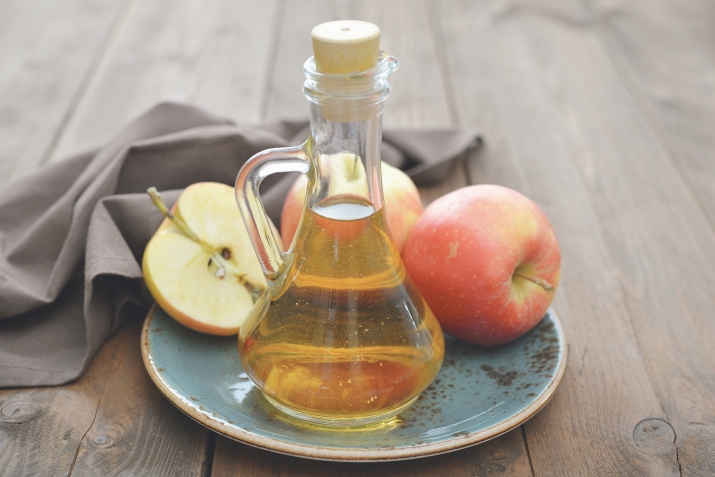
The Messenger of God ﷺ loved meat, especially the shoulder blade and the front part of lamb. He also loved honey and other sweets. He ate bread with whatever food he could find that went with it: sometimes with meat, sometimes with watermelon, dates, etc. Once he ate bread with vinegar and said: “What a good seasoning vinegar is!” (Narrated by Muslim). That is, he ate bread with whatever was at hand.
Fat tail. Fat tail oil
It was reported from Anas ibn Malik: “I heard the Messenger of God ﷺ say, “The cure for sciatica is the fat tail of a lamb (Bedouin), which must be melted, divided into three parts and used on an empty stomach every day, one part at a time.” (Narrated by Ibn Majah).
The nature of the fat tail is hot and moist, some say hot and dry. In case of swelling and other abdominal diseases, you need it the fat tail is ground, divided into small pieces, mixed with wormwood powder and melted. Then it is drunk for several days in the morning on an empty stomach.
Daily consumption of a small amount of tail fat may help improve memory and concentration.
Tail fat may improve blood circulation in the brain and is especially recommended for those who suffer from nervous and mental disorders.
To eliminate vision problems and improve immunity, it is also considered useful to consume this product. This is due to the fact that the composition contains vitamin A, which maintains protein and fat balance at a natural level and the presence of beta-carotene allows the product to be fully absorbed, unlike other synthetic analogues.
Natural cholesterol included in the fat helps restore hormonal balance after failures. This fat contains omega-6 and omega-3, which strengthen blood vessels.
Fat tail also contains iodine, so it will be useful for the thyroid gland and fluorine is for teeth and bones.
Applied in the form of warming compresses, tail fat is recommended for use by both adults and children for bronchitis, prolonged dry cough and other respiratory diseases.
Tail fat, especially old tail fat, is said to have the property of promoting the resorption of various formations (tumours). It is considered best to use dried tail fat of a young ram for this purpose.
Contraindications
Since the product is very fatty, its consumption should be limited in cases of gastrointestinal problems: gastritis, liver problems, ulcers and other diseases that increase stomach acidity.
Eat fruits from the area where you live
The Prophet ﷺ loved to eat fruits that grew in the area where he lived. This is also one of the reasons for maintaining health, because the Almighty Lord, in His wisdom, grew in each area what is most suitable for its inhabitants; the use of these fruits becomes a reason for maintaining the health of this people.
Those who do not eat fruits that grow in their area get sick more often than others. Fruits should also be consumed in moderation, observing the time and amount of intake. For example, fruits such as pear, pomegranate and quince should be taken after meals. And those fruits that soften the stomach, such as grapes, figs, bananas and apples, should be taken before meals.
The Prophet ﷺ ate with his right hand and took food with three fingers. It was not his habit to drink water after meals but sometimes he drank a drink made from raisins.