

Does Islam support adoption?
Does Islam support adoption?
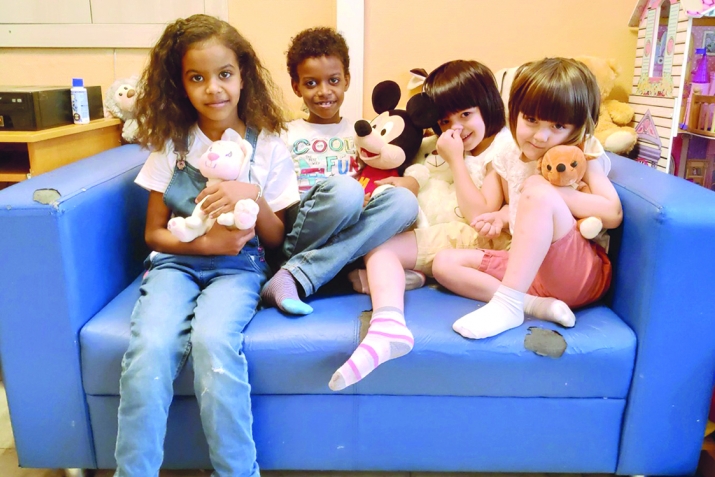
People commonly think that adoption is not allowed in Islam. However, the reality is that the thing Islam preaches is superior to what people think about it. In adoption, one cannot change the last name (family or father) or the adopted child. However, the Prophet (peace and blessings be upon him) said, the best house of Muslims is the one where an orphan is taken care of. Prophet (peace and blessings be upon him) was himself an orphan. In the Koran, God tells the holy prophet to take care of the orphans by reminding him of his time.
God says (meaning), “Did He not find you an orphan and gave you shelter? And He found you wandering, and He gave you guidance. And He found you in need, and made you independent. Therefore, treat not the orphan with harshness, nor drive away a petitioner (unheard). But the bounties of the Lord - rehearse and proclaim!” (Sura Ad-Dhuaa, ayat 6-11)
From the above mentioned ayah, it is clear that the Prophet (peace and blessings be upon him) is being advised to take care of the orphans and raise them with kindness. The Prophet is being directed to follow the quality of God (kindness) while dealing with fatherless children. The Almighty has also discussed the strengths He gave the Prophet and He tells the Prophet to help an orphan with shelter, guidance and to be independent.
However, Islam does not allow a person to change the name of the adopted sons. Zayed bin Haritah was the adopted child of the Holy Prophet (peace and blessings be upon him). When God decided for the Prophet (peace and blessings be upon him) to marry Zainab, He gifted these ayat to the Holy Prophet (peace and blessings be upon him) so that the Prophet may be clear about his biological relation with Zayed Bin Haritah. The Koran says (meaning), “When Zayed had accomplished his want of her, we gave her to you as a wife, so that there should be no intricacy for the believers about the wives of their adopted sons, when they have accomplished their want of them; and Allah's command shall be performed.” (Sura Al-Ahzab, ayah 37)
The above mentioned ayah indicates an important thing about the adoption and how it is not a biological relation at all and how the fear of God should be the only motive for such things. He is the most Merciful and expects kindness for the weak and poor. Taking care a child is very noble deed in Islam but does not bound one for the obligations that a biological relation brings, as it makes it easy for both the provider and the orphan, and is natural as well.
Below are the third and fourth ayat of Sura Al-Ahzab in the Holy Koran. God says (meaning), “Nor has He made your adopted sons your (biological) sons. Such is (only) your (manner of) speech by your mouths. But Allah tells (you) the Truth, and He shows the (right) Way. Call them by (the names of) their fathers; that is just in the sight of Allah. But if you know not their father’s (name, call them) your brothers in faith, or your trustees. But there is no blame on you if you make a mistake therein. (What counts is) the intention of your hearts. And Allah is Oft-Returning, Most Merciful.”
Muslims should keep in mind that Islam is the only true religion and everything in the religion is natural and is not based on superficial stories. God the Most High has made life easy for us and we should not complicate it for ourselves and others and must follow Islam.
