
Protect yourself and your children from the evil eye
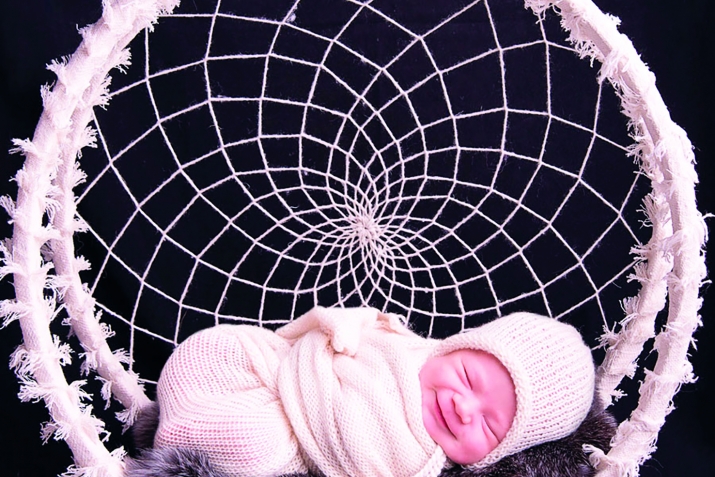
When you hear people say “Oh, what a beautiful child!” meaning your children, you should respond to this with the following words, “Barakallahu fika (ki)”, which means “May God the Almighty send grace to you.”
Many of us already know about the evil eye. Some try to avoid crowded places, while others get annoyed when people who are outsiders stare at their children.
But it is not enough that people turn their faces away from the child. One needs to take some steps to save him from the evil eye, as well as from other dangers that lie in wait for a child in the course of life.
Righteous mother
One righteous man said that when his mother carried him in the womb, she read the Koran every day. She did the same when he was a baby. If Muslim have made it a habit to read the Koran, then their children will surely adopt this practice.
The Koran is not only instruction in life but also a cure as well. The reading of its ayat heals both physical and mental diseases.
Not everyone is able to read the Koran correctly. Some did not have the opportunity to learn how to read the Koran, others have the desire but numerous family concerns do not allow them to devote enough time for study. However, even women who are busy with everyday life can devote a couple of hours a day to its study. They can find a teacher and persistently proceed with this goal.
Armed with knowledge
The majority of adult Muslims know the appropriate suras, ayat and dua to protect them against the evil eye. They read them when they leave the house or go to bed. But children are rarely taught and know by heart what their mother knows, for example, suras “Al Falak”, “An Nas” or the ayah “Al Kursiy”.
Even knowing them by heart, a child does not always remember to say them when he goes outside. A responsive mother will remind him of this, as well reading these suras and ayat over him before bedtime.
It is difficult to overestimate the importance of azkar (remembrances) recited after farz prayers. These are the words of remembrance (dhikr), which its is highly desirable to pronounce after the obligatory prayers; this is what our Prophet (peace and blessings be upon him) did.
If you want to protect yourself and your children from the evil eye or any other harm, you should comply with the above points. Do not confine yourself to “MashaaLlah”. Otherwise, you will always complain that somebody’s evil eye is on you or on your child again. Remember that people tend to make compliments, which are not always backed up by emotions, so as to express their kindness to you.
AISHA TUHAEVA As-Salam newspaper writer