
How can a child help his parents?
How can a child help his parents?
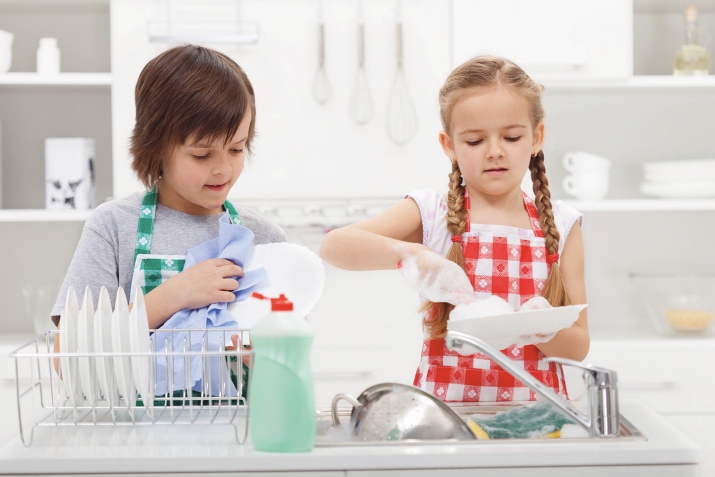
In modern realities, parents have become less demanding that their children help around the house. They feel sorry for their child, because they still remember how their mother forced them to wash the floors at the age of seven. Modern parents are afraid to give their children impossible tasks and, at the first refusal of the child to work, they decide that it is probably too early for their offspring.
Childhood only happens once in a lifetime, so let your children enjoy this wonderful period. But, on the other hand, if you do not involve children in housework, there is a likely risk of raising consumers who will believe that they are owed everything.
Psychologists believe that parents need to resort to the help of their children, because it is important for children to feel that they are indispensable. Children participate in everyday life and consider themselves full members of the family. Through chores, parents teach their children responsibility, develop social interests and those children who regularly help around the house often do better academically.
Responsibilities of a child according to age
Children 2–3 years old can: – collect toys; – put books and magazines on a bookshelf; – brush their teeth, wash their face and comb their hair; – put dirty clothes in the laundry basket; – wipe dust from the shelves; – bring napkins, plates and cutlery to the table; – dress or undress themselves.
Children 4 years old can: – make and clean the bed; – set the table, put dirty dishes in the dishwasher or sink; – feed pets under adult supervision; – wash their own plates or cups; – prepare a simple breakfast, for example, pour cereal into a bowl and pour milk, and also help mother to cook; – make purchases in the store, carry light bags and unload them after going to the store; – water indoor flowers with a watering can; – wipe dust with a damp cloth from shelves on which there are various objects; – decorate dishes and desserts; – while mother is busy, play independently in their room; – load laundry into the washing machine; – give the washed clothes to mother as she hangs them on the dryer.
Children 5 years old can: – help parents buy groceries; – make a sandwich for breakfast, add butter, berries, nuts, honey to the porridge; – pour themself juice or compote into a cup; – tie their own shoelaces; – collect berries, herbs, vegetables from the garden; – take out light trash; – set the table for dinner; – get dressed without parental help; – put their clothes in the closet; – make the bed after sleeping; – wipe mirror surfaces; – wash the car with father.
Younger schoolchildren (6–7 years old) can: – tidy up their room; – take out garbage weighing more than 2 kg; – sweep or vacuum the floors; – rake leaves in the yard; – sort products brought from the store into their proper places; – help parents prepare dinner; – wash the dishes; – load and unload the washing machine; – choose clothes according to weather conditions; – water indoor plants; – weed garden beds; – hang clothes in the closet; – pack their backpack for school.
In addition, children need to be taught to go to bed on their own, to wake up in the morning without reminders and to be well-mannered and polite to strangers.
What can be delegated to a child 8–9 years old: – set the table; – mop the floors; – take a shower themselves; – put things in order in a chest of drawers, closets and bookshelves; – sew on buttons; – clean and care for pets; – cook simple dishes (under mother’s supervision); – feed and bathe a younger brother or sister.
What are the responsibilities of children 10–12 years old: – change bed linen; – sort clothes (dirty clothes should be put in a special basket, washed clothes should be laid out on shelves in the closet); – buy products according to a list compiled by parents; – manage pocket money; – clean the house; – help father at a construction site or when doing household chores; - wash and clean the family car; – prepare simple hot dishes on the stove and in the oven; – look after younger brothers and sisters when parents are away from home; – plan their own time.
Teenagers and high school students (14+) can: – follow a daily routine without reminders from adults; – adhere to a healthy lifestyle; – undergo regular medical examinations; – prepare meals for the whole family; – put things in order in the refrigerator and keep it clean; – clean common areas: kitchen, bathroom, hallway; – manage pocket money; – remove snow from paths in the yard and at the gate; – sew on buttons and repair their own clothes; – help around the house with minor repairs; – go to the store to shop; – earn small amounts (by looking after the baby, doing work in the garden, etc.); – maintain order in their room without a reminder; – help loved ones in difficult situations; – consistently implement decisions made.
If you read the list of responsibilities and decide to immediately hand them over to your children, do not rush. Remember that you need to instill and transfer responsibilities to the child consistently, constantly reminding them and thanking him or her for completing them. Set clear and precise tasks for your children, spelling out all the safety rules for fulfilling obligations. Do not use yelling, physical punishment or blame as a method of teaching children to do housework. If children do not immediately fulfill their duties, show patience and gentleness. Do not do them for them, but help them complete chores. If you instill a love of work from a young age, it will be easier for your child to adapt to adulthood.
Naida Alieva,
St. Petersburg
As-Salam correspondent