
Nowadays it is extremely difficult to create an ideal spiritual and moral environment for our children due to the influence of the media, friends and even relatives or neighbors. With television, radio, the Internet and other media promoting many immor
Twelve Tips for Raising Children
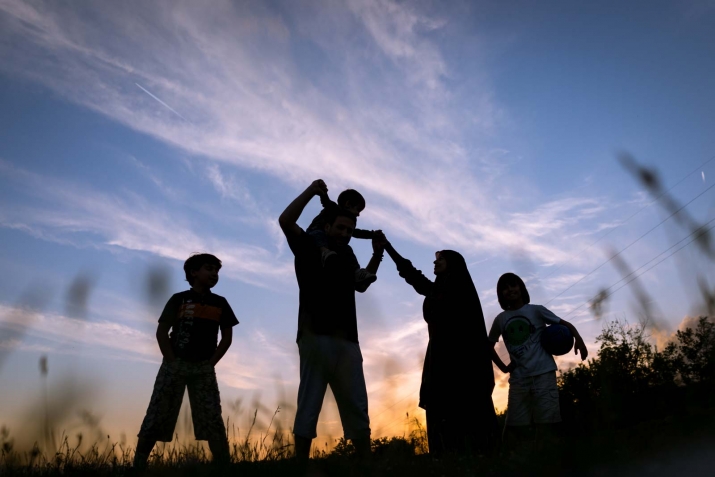
Nowadays it is extremely difficult to create an ideal spiritual and moral environment for our children due to the influence of the media, friends and even relatives or neighbors.
With television, radio, the Internet and other media promoting many immoral things, the onus is on parents and adults close to the children to set the right example.
It is impossible to protect our children from all the negativity that can affect their thinking and, ultimately, their behavior and upbringing. However, by our own example and by showing them better alternatives, we can guide them to the true path, which involves obeying the commands of the Almighty Creator and following the example of the Best of creation - Prophet Muhammad ﷺ.
Here are some tips that one may want to follow to help one’s children acquire spiritual values.
- Start by teaching the importance of worshiping the Creator alone. The best thing a believing parent can teach their children is that Almighty Allah is One, the Only, and none is worthy of worship except Him. This must be constantly emphasised to children, starting from the day they have the ability to understand. This is the basic message of the Prophet ﷺ and our key to Paradise.
- Treat them kindly. Kindness begets kindness. If we are kind to our children, they, in turn, will show kindness to others. The Messenger of God ﷺ was the best example in this regard in his kindness to children and to everything around him.
- Teach them the examples of righteous heroes. Instead of letting them watch Batman and Superman movies, tell them about real heroes like Abu Bakr,Umar,Uthman,Ali and other companions, imams, scholars, etc. Tell your children how these heroes brought genuine beneficial changes to the world and won the hearts of both believers and non-believers.
- Let children sit with adults. It is preferable for children to sit with adults, especially when there are lectures on spiritual and educational topics. The Prophet ﷺ used to seat his children in the front row when he spoke to people.
Make them feel important. Ask them for advice in family matters. Make them feel that they are important members of the family and play their part in its development and well-being.
- Go out together as a family. It is better to travel with the whole family instead of letting your children always play in the yard with who knows who and in what circle. Let your children be around family and those friends whose good qualities you would like your children to adopt. Always remember that your children will be the ones with whom they spend most of their time. So be careful with whom they associate and above all, associate with them yourself.
- Praise. Praise is a powerful tool for children, especially when it is done in the presence of others. Children feel a sense of pride when their parents praise them and they will strive to do other good deeds. But praise should be limited to actions of moral value.
- Do not belittle. Never belittle your children in public. Children make mistakes. Sometimes these mistakes are the result of them trying to please their parents. If you are unhappy with your children, tell them privately.
- Sports. The Prophet ﷺ encouraged sports such as swimming, running and horse riding. Other sports that build character and physical strength are also recommended, as long as the children continue to adhere to the norms of their religion, wear appropriate clothing and do not engage in forbidden activities.
- Responsibility. Have faith in their ability to carry out tasks. Assign them daily chores that are appropriate for their age. Reassure them that they are performing an important function and you will find them eager to help you again.
- Do not spoil them. Children are easily spoiled. If they get everything they ask for, they will feel you obligated to please them every time. Be sensible in what you buy for them. Avoid extravagance and unnecessary luxuries. Take them along to charity events to help the sick and the needy, so that they will see how privileged they are.
- Do not be friends. In the West, parents usually treat their children as equal friends. This is not how relationships work in Islam. If you have ever seen how peers who are friends talk to each other, then you will understand that this is not how a parent-child relationship should work. You are the parents and your children should respect you and this is what you should teach them. The friendship part between you and them should be limited to having an open dialogue so that they can share their problems with you and ask you questions when they have any.
- Pray with them. Involve them in worship. When they are young, let them see you praying. Soon they will try to imitate you. Wake them up for the morning namaz and pray as a family. Talk to them about the reward of prayer so that they do not view it as a burden. Emphasise only permissible food. Teach them what they are allowed to eat and what they are not. Tell your children to thank God for the blessings He has bestowed upon them – and not just for food and clothing. Tell them to be grateful for eyes that see, ears that hear, hands and feet and the most important blessing – religion in their hearts.