

Nine tips to teach a child to perform namaz
Nine tips to teach a child to perform namaz
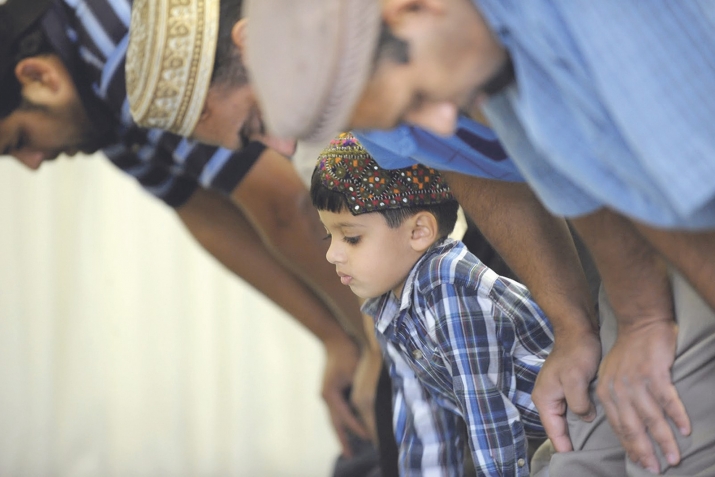
It is very difficult to teach a child namaz in a short period of time. From childhood, try to instill the skill of cleanliness in the child, teach him a first dua, memorise the first small Suras and ayat from the Koran together. You yourself will understand when your child is ready to perform his first namaz. Do not require children to perform all namaz at once. Stretch this process; this will gradually accustom the child to daily worship. At first, perform one namaz a day without fail, after some time add another namaz and so on whole five obligatory namaz are being performed by a child by the age of seven. At the same time, encourage your child each time the introduction a new obligatory namaz is introduced.
- Be consistent
It is the responsibility of parents to monitor their child’s establishment of namaz, the way how it is performed, whether he performs it on time, and not allow the skipping of namaz and laziness in worship. If parents constantly monitor their children, so that the habit of performing namaz is instilled by the age when it must perform it without fail.
Parents should choose the gentlest policy for instructing the child to perform namaz. The child should like to perform namaz, and he should do it voluntarily so as not to be scolded. Be sure to praise the child for the deed. There should be more goodness in the educational process. Try to avoid excessive criticism, punishment and comments addressed to the child and work on preventing mistakes rather than on analysing the consequences of bad deeds committed.
- Spending prayer time with the family
Praying together as a family, a jamaat, where the father acts as an imam in the namaz, is a great incentive for accustoming a child to prayer. This is especially true for boys, who strive to learn knowledge so that they later become like their father. It is also worth noting the importance of boys attending collective namaz on Friday and holidays. The ability to see Muslims as a single community and to pray in the circle of a large ummah is very important; it gives a strong sense of identity.
- Make dua
And most importantly, we must ask for help from Almighty Allah in everything, make dua for our children and ask the Almighty to instill in children a love for namaz to endow them with piety and good character.
Dua from Sura Ibrahim, ayah 40 (meaning), “My Lord, make it so that I and my descendants perform [the obligatory] namaz [remember it and do not forget]. My Lord, accept my supplication.”
The Prophet (peace and blessings be upon him) said, “There is no doubt that the supplication of three sorts of people will be accepted by Almighty Allah: the supplication of the oppressed, the supplication of a traveller and the supplication of a parent for a child.”
May the Almighty grant all Muslims well-behaved children who can benefit them in both worlds!
