

Intention while studying
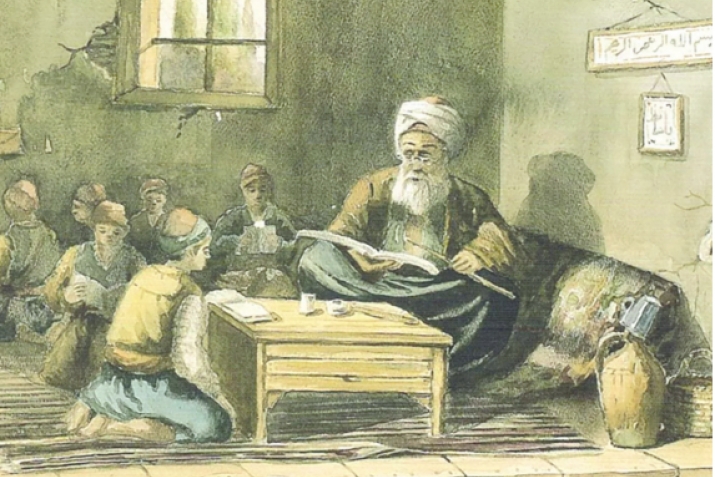
It is essential to have intention during the course of one’s studies because intention is fundamental to all actions. Rasulullah (peace and blessings be upon him) is reported to have said, “All actions are based on intentions”. This is an authentic hadiths narrated from Nabi (peace and blessings be upon him).
How many actions are there which have the outward form of worldly actions but become actions of the hereafter merely by having a good intention. And how many actions are there which have the form of being actions of hereafter but become actions of the world because of having an evil intention.
A student in seeking knowledge should intend earning the pleasure of Allah the Almighty, obtaining the hereafter, removing ignorance from himself and other ignoramuses, reviving Din (religion) and maintaining Islam. The maintenance of Islam is through knowledge. Abstinence and piety cannot be achieved with ignorance.
Imam Burhanud din (may Allah have mercy on him), the author of Al Hidaya, recited the following verses of a poet to me:
- The scholar who exceeds the limits of Din is a cause of great corruption,
- But the ignorant worshipper is even worse than him.
- Whoever adopts the way of these two for his Din,
- It will be a cause of dissension for him in his Din and his worldly life.
The student should also intend being grateful to Almighty Allah for the bounties of intelligence and good health granted to him. The student should never have in mind that, because of his knowledge, people will honour and respect him, and not try to gather the chattels of the world or the honour of rulers etc.
Imam Muhammad Ibnul Hasan (may Allah have mercy on him) said, “If all the people of the world become my slaves, I will free them immediately and absolve myself from them completely”.
The reason for this is that one who experiences the taste of knowledge and practices it, will probably very seldom desire what others have.
From the book “Teaching the Student the Method of Studying” Sheikh Burhanul Islam Az-Zarnuji
