
Fasting and its features
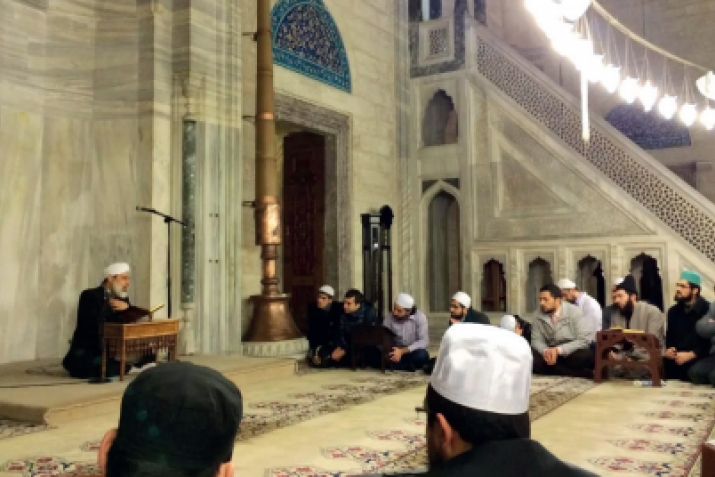
The holy months Rajab and Shaban are a kind of a herald of a great event that should once again change the lives of millions of people.
But, as you know, good remains good only in the right hands that are capable of receiving benefit from it. And in the hands of one who is careless, it can become another reason for punishment or anger of the Almighty. We are talking about the month of Ramadan, which is an inexhaustible treasure that we are not able to deplete even during our entire life.
There are a myriad of sayings from the Prophet (peace and blessings be upon him), his companions, and scholars about the merit of fasting this month, but, as mentioned above, few can benefit from it.
Knowledge, undoubtedly, is an indispensable tool for extracting all kinds of benefits. So in our case, only knowledge can affect or become a reason for productive fasting and, in general, a proper observance of the month of Ramadan.
Based on this, first we would like to present the main responsibilities associated with this month. And then we move on to less important actions, thereby making it easier to remember the rules and desirable actions that our religion calls for.
A person is obliged to fast if he is:
- a Muslim;
- of sound mind;
- an adult;
- aware of the obligation to fast in the month of Ramadan.
Conditions for the timely observance of the fast
A person who meets all of the above criteria is required to fast under the following conditions:
- Health (absence of diseases that impede fasting).
- Ritual purity in women (there should be no menstrual or postpartum discharge).
- Staying in one’s locality (travel [safar] removes the obligation to fast due to difficulties encountered on the way).
Fasting validity conditions
Fasting is considered valid under the following conditions:
- An intention made in the allotted time. It should also be performed for each day of fasting separately.
- Freedom from anything that might prevent the fasting (for example, there should be no menstrual cycle or postpartum cleansing).
- Freedom from anything that might break the fast. But the great pollution that occurs during sleep does not break the fast, as it happened due to the impossibility of control.
The main element of fasting is abstaining from fulfilling the passions of the abdomen and genitals and everything connected with this.
The wisdom of fasting obligation:
1. Fasting is, first of all, the quieting down of one's nafs (ego), which commands bad things, because of its rejection from excess of food. This is since when a person is starving, all his bodily parts are in peace. As a result, the hands, feet, eyes and other organs are abstained from sinful actions. After all, when a person is full, his organs become strong in disobedience of the Almighty and in doing things that should not be done. And the constraining of organs through fasting leads to a purification of the heart and easier control over oneself.
2. Compassion for the poor, which is achieved by a personal feeling of hunger (for this reason, one should not overindulge during suhoor (eating before fasting), thus depriving the fast of its wisdom).
3. Become like the angels who do not drink or eat.
The Prophet (peace and blessings be upon him) said, “Whoever observes fasting during the month of Ramadan out of sincere faith, and hoping to attain God's rewards, all his past sins will be forgiven.” (Narrated by Al Bukhari).
AKHMAD IBRAGIMOV THEOLOGIAN