
SIGNS OF AN ACCEPTED HAJJ
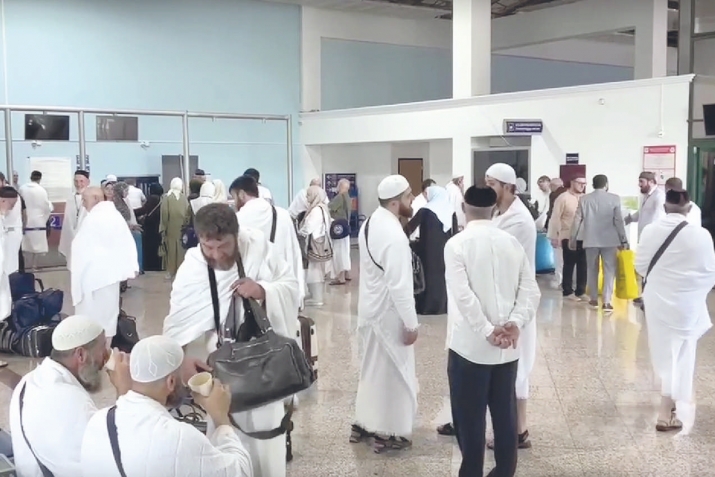
When pilgrims return to their home countries after the Hajj, they return spiritually refreshed, forgiven of their sins and ready to start life anew with a clean slate. Family and community members often prepare a celebration to welcome pilgrims home and congratulate them on completing the journey. Those who have performed the Hajj are often called by an honorific title, “Haji,” (one who has performed the Hajj).
The Prophet (peace and blessings be upon him) said, “Whoever performs Hajj for the pleasure of God and therein utters no word of evil, nor commits any evil deed, shall return from it (free from sin) as the day on which his mother gave birth to him.” (Narrated by Al-Bukhari, Muslim).
He also said, “Verily there shall be no reward for accepted Hajj except Paradise.” (Narrated by Al-Bukhari, Muslim).
At the same time the pilgrims should focus their attention toward certain points, which are necessary and of utmost importance and which many pilgrims ignore because they are unaware of their significance.
Firstly, the sincerity of intention should remain even after the performance of Hajj. There should be no place for show. One should not wish to be called or recognized as a Haji.
Many people adopt the habit of talking frequently about their journey in order that people may come to know of their Hajj. They talk about the expenses incurred in the way of God, their charity amongst the poor and the needy, their devotion and worship, their assisting the weak and old, etc.; and all is mentioned only with the intention of gaining fame. This is a deceit from Satan who ruins the devotion without the person even knowing it.
Secondly, it is noted through experience, that many pilgrims return with only the bad side of the journey and make it a habit of talking about nothing except the hardships they have encountered during Hajj. The pilgrims should strictly refrain from this. On the contrary they should talk about the greatness of the sacred places, the spiritual gains, the enjoyment in devotions, including Umrah, tawwaf, prayers in Masjid Al-Haraam and the Prophet’s Mosque etc. If one looks at his journey of Hajj carefully he will find that the good things far outweighs the bad ones. Moreover, the pilgrims are rewarded abundantly by God the Almighty upon every difficulty encountered in their journey.
Thirdly the sign of an accepted Hajj is that upon one’s return, one’s life changes from worst to good. He becomes totally punctual in fulfilling the commands of Almighty Allah. His love and inclination toward the Hereafter increases and love for worldly pleasures decline. Therefore, it is essential that the pilgrim is watchful over his actions and should try his utmost to instill in himself good character and refrain from all types of evil. He should try his best to fulfill the obligations laid down by the Almighty and avoid all the things forbidden by Him.