

‘IT’S ARABIC’
‘IT’S ARABIC’
TRAFALGAR
Trafalgar is where Admiral Nelson won the most famous sea battle in British history, off Cape Trafalgar which sticks into the Atlantic from southern Spain. The Arabs called this cape Taraf Al Gharb, the Uttermost West, as it was the most western point of their dominions.
WADI
Wadi is Arabic for valley. However, it has been in common parlance for centuries via Spanish, and perhaps most famously as the site of some of Wellington’s toughest fighting against Napoleonic forces near the Portuguese river Guadalquivir, the wadi Al Kabir.
SUGAR
Sugar - sukkar in Arabic - was a rare and special commodity in medieval Europe which used honey as a sweetener, which makes it a treat. The first recorded uses of sugar in English was at a monastery in Durham in 1302 when a monk recorded the storage of zuker marok, or Moroccan sugar.
ARTICHOKE
Artichoke is the Arabic kharshoof, which was borrowed by the Spanish in 1423 as carchiofa and by the Italians in 1525 as carciofo, before changing to the French artichault in 1538 and the English artochock in 1591.
APRICOT
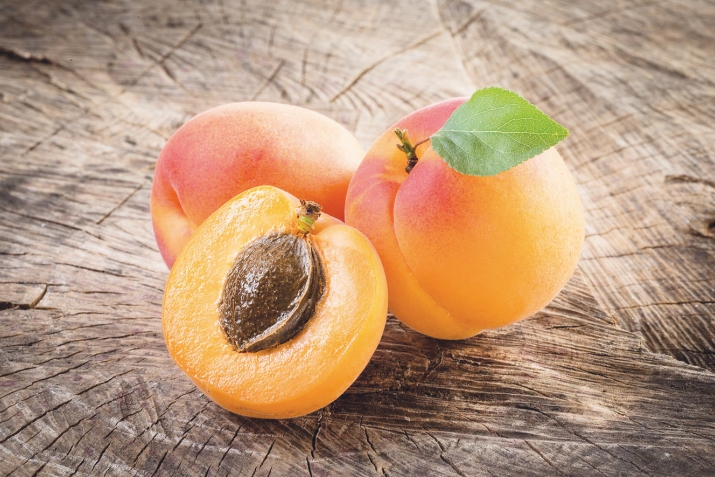
Apricot comes from the Arabic barqooq, which in turn came from Byzantine Greek, which took it from classical Latin praecoqua, meaning precocious ripening peaches. The Arabs passed the word (and fruit) to the Portuguese (albricoque) and Catalan (albercoc), before it finally arrived in English in 1578 as abrecox.
