

From China to Kyrgyzstan: the fate of the Dungan people
From China to Kyrgyzstan: the fate of the Dungan people
Sufi tradition of the Dungans
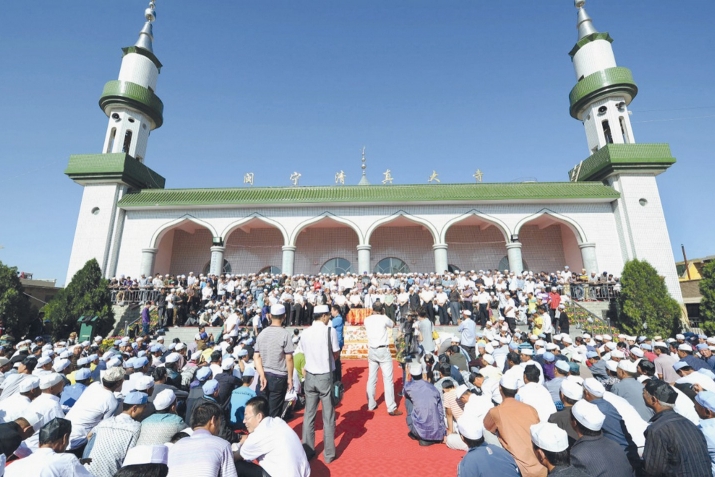
A special place in the religious life of the Dungans is occupied by Sufism - a science that emphasises the inner purification of the soul, asceticism and the search for closeness to the Almighty through personal experience of faith. Sufism came to the Dungans in China, where many representatives of the Hui followed the teachings of such paths (tariqats) as Naqshbandiya. In the conditions of oppression in the Qing Empire and cultural isolation, Sufi sheikhs and mentors became spiritual supports for Hui Muslims. Their abodes, dzawiyyas, served not only as places of worship, but also as schools where they taught the Koran, fiqh (Islamic law) and spiritual ethics. Bai Yanhu was a representative and sheikh of the Naqshbandiya tariqat.
After moving to Central Asia, the Dungans preserved this tradition. Many of the imams who led the new communities were raised in the Sufi spirit. They taught their followers patience, humility, self-discipline and love for God. In some Dungan villages today, one can still meet the descendants of these sheikhs, who preserve the genealogies and teachings of the Sufi lineages. The practice of dhikr (remembrance of Allah), special spiritual conversations and ritual gatherings are often held in the circle of elders. Even today, most Dungans profess traditional Sunni Islam, and elements of the Sufi worldview - such as the desire for inner peace, respect for spiritual authorities and the value of a modest life - continue to influence their religious and cultural practices.
The fate of the Dungan people is a vivid example of the survival of a culture at the crossroads of civilizations. Having gone through the trials of war and exile, they managed to preserve what which was most important: faith and traditions.
