
How to express gratitude to the Almighty?
How to express gratitude to the Almighty?
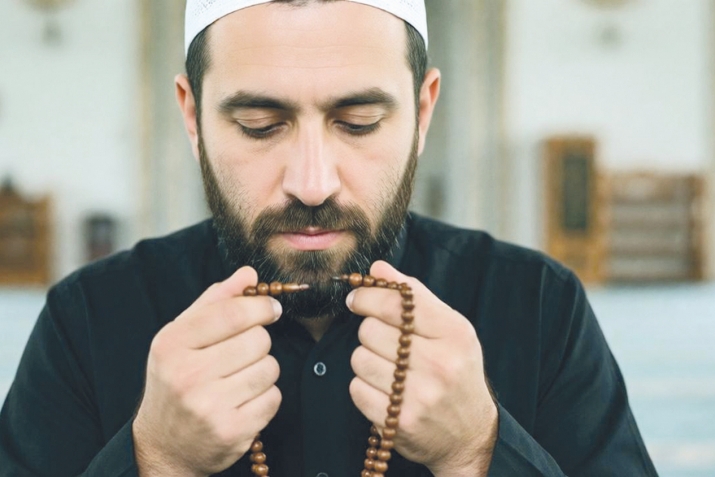
Gratitude is an important spiritual quality, expressing acknowledgement to the Almighty Creator for all the blessings He has bestowed.
It manifests itself in the heart, words and deeds. It is one of the highest manifestations of faith and an essential part of worship.
The Almighty Lord has bestowed upon us numerous blessings in this world, and if we are grateful to Him, He will not deprive us of these blessings but, rather, will multiply them. The Holy Koran mentions gratitude (shukr) over seventy times. This demonstrates the great significance and value of its expression.
We talk and hear a lot about gratitude, but how do we express it correctly? Is it sufficient to simply say, “Alhamdulillah – praise be to Allah ﷻ” to express gratitude to the Almighty?
One of the eminent scholars, Imam al-Ghazali, writes: “Gratitude is using every blessing in accordance with its purpose.” (Ihya’ ‘ulum al-din). Therefore, true gratitude is not just words, but the alignment of our actions with the will of the Giver.
According to theological scholars, gratitude has several levels:
- Inner gratitude, from the heart. This is the awareness that all blessings come from Allah, the Most High, and a feeling of sincere appreciation. The great Sheikh Ibn Ata’illah al-Iskandari said, “Whoever has experienced mercy owes gratitude.” In other words, kindness should not go unanswered. For example, if someone has helped in a difficult time, it is fair and proper to express gratitude: in word or deed. And such feelings should arise naturally, as a response to the kindness received. To achieve this, one should reflect on the gifts of God, such as health, sustenance, and faith and avoid grumbling and discontent. Sheikh Ibn al-Arabi said, “Gratitude is seeing the Giver in every gift.” (Fusus ul-Hikam).
- Verbal gratitude, with the tongue. The Prophet Muhammad ﷺ said, “He who does not thank people does not thank Allah ﷻ.” (Narrated by Abu Dawud). Along with gratitude to the Almighty, one should not forget those who are the cause of this blessing and sincerely express gratitude to them and thank them. There are many different prayers for expressing gratitude verbally and they can also be repeated frequently.
The great Sheikh Abd ul-Qadir Jilani said, “Gratitude is the light of the heart, and ingratitude is its rust.” (Al-Fathu r-Rabbani).
- Practical application of blessings, through deeds. True gratitude to Allah ﷻ lies not only in acknowledging His gifts but also in following His commands and using these gifts to achieve His pleasure. This requires paying zakat on time, helping those in need, performing the recommended prayers, observing the fasts (Sunnah), teaching others goodness, calling others to the truth and so on.
Imam Junayd ul-Baghdadi said, “Gratitude is not using the mercy of Allah ﷻ in disobedience.”
Gratitude also increases blessings. Almighty Allah promises believers in the Koran to multiply their blessings if they are grateful to Him (meaning of the commentary), “If you are grateful, I will certainly multiply for you.” (Sura Ibrahim, ayah 7). One of the righteous also said, “I have seen how gratitude transforms small things into great things...”
Gratitude also protects from torment in the afterlife. The Koran says (interpretation of the meaning), “Allah will not punish you if you are grateful and believe.” (Sura An-Nisa’, ayah 147).
Gratitude is not just words but a state of heart and a way of life for a believer. The more grateful we are to the Almighty, the more He increases His blessings.
May the Almighty make us among His grateful servants! Amin!