
Education and Women
Throughout Islamic history, educating women has been a high priority. Women were not seen as incapable of attaining knowledge nor of being able to teach others themselves. The precedent for this was set with Prophet Muhammad’s (peace and blessings be upon him) own wife, Aisha, who was one of the leading scholars of her time and was known as a teacher of many people in Medina after the Prophet’s (peace and blessings be upon him) death.
Later Islamic history also shows the influence of women. Women throughout the Muslim world were able to attend lectures in mosques, attend madrasas and in many cases were teachers themselves. For example, the 12th century scholar Ibn ‘Asakir (most famous for his book on the history of Damascus, Tarikh Dimashq) traveled extensively in the search for knowledge and studied under 80 different female teachers.
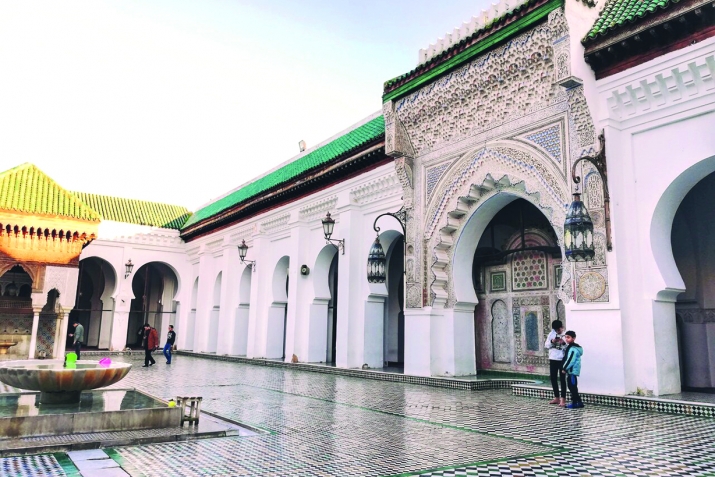
Women also played a major role as supporters of education. The first formal madrasa of the Muslim world, the University of al-Karaouine in Fes, was established in 859 by a wealthy merchant by the name of Fatima al-Fihri.
The Abbasid caliph Harun alRashid’s wife, Zubayda, personally funded many construction projects for mosques, roads, and wells in the Hijaz, which greatly benefitted the many students that traveled through these areas.
The wife of Ottoman Sultan Suleiman, Hurrem Sultan, endowned numerous madrasas, in addition to other charitable works such as hospitals, public baths, and soup kitchens. During the Ayyubid period of Damascus (1174 to 1260) 26 religious endowments (including madrasas, mosques, and religious monuments) were built by women.
The wife of Ottoman Sultan Suleiman, Hurrem Sultan, endowned numerous madrasas, in addition to other charitable works such as hospitals, public baths, and soup kitchens. During the Ayyubid period of Damascus (1174 to 1260) 26 religious endowments (including madrasas, mosques, and religious monuments) were built by women.
MUHAMMAD YUSUF