

The Last Wish of Hurrem Sultan
In the 19th century, coffee was already widespread among various strata of the empire’s population and gradually became “Russified”: in the 1820s, two-section samovar-coffee pots with separate containers for coffee and tea were produced in Russia. Those who could not afford coffee replaced it with chicory or even came up with drinks that barely resembled the original: from roasted barley flour, crushed acorns, beets, pear seeds, watermelon rinds and dandelion roots.
At the same time, fans began to appear in Russian-language literature (this includes Onegin in Pushkin’s poem of the same name, Napoleon in Tolstoy’s “War and Peace”, and many other characters). Gradually, coffee became an essential attribute of a creative person: it inspired poets, invigorated writers and kept musicians awake...
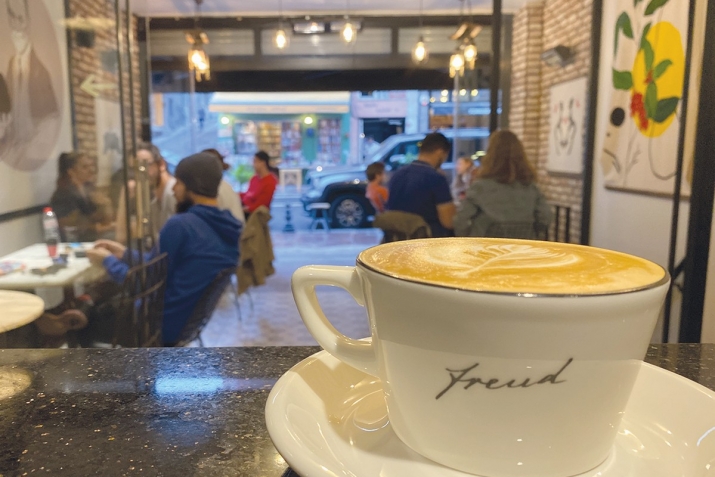
Today, especially in large cities, coffee shops can be found literally on every corner. Some are famous for their unique coffee varieties, others invent signature blends, and others acquire regular customers thanks to their exquisite desserts or cozy interiors with photo zones. Chain establishments with affordable prices are popular among students and office workers. Tourists, as well as representatives of the bohemian class and fans of the classics, certainly visit coffee shops and pastry shops – the calling cards of the city. There are also establishments hidden from prying eyes and known only to locals, where you can escape the hustle and bustle, relax or work on your laptop in silence, have a pleasant conversation with the barista and enjoy coffee made according to a secret recipe, brewed especially for you.
Finally, there are so-called anti-cafes – establishments where visitors pay not for food or drinks, but for the time spent. Tea, coffee and snacks are offered here for free. People usually work in anti-cafes (freelancers use them as an analogue of co-working), conduct training and master classes, poetry evenings and discussions, and also play board and video games or read (often anti-cafes have their own mini-library or shelves for bookcrossing).
On June 7 each year, coffee lovers from different countries celebrate Unknown Coffee Shop Day, on the one hand, to enjoy their favorite drink and pay tribute to the first cup of coffee in the world, and on the other, to discover new establishments, become acquainted with interesting tastes, traditions and history and deepen their understanding and commitment to coffee culture. Who knows, perhaps it is in an unfamiliar coffee shop that the long-awaited muse will visit you.
