

Sacrifice that is advisable to perform in the Month of Rajab
Sacrifice that is advisable to perform in the Month of Rajab
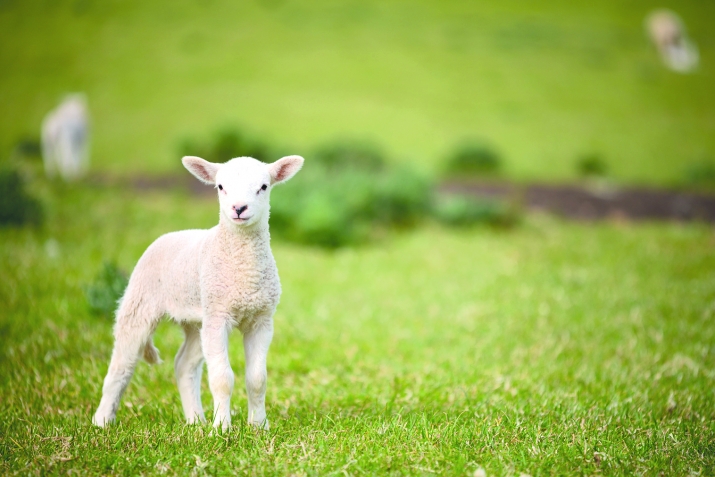
The Eid al-Adha sacrifice is a well-known ritual. Due to the great excitement in the media, not only Muslims but also representatives of other faiths know about it. However, do we know about the sacrifice performed in the month of Rajab? It turns out that there is such a ritual. Read more about it in this article.
Question: I heard that in the month of Rajab it is advisable to perform a sacrifice such as ‘atira. Is this reliable?
Answer: ‘Atira is a sacrifice performed in the first ten days of the month of Rajab, as well as in other months.
In the book “Tuhfat al-Mukhtaj” Ibn Hajar al-Haytami notes: “The most well-reasoned opinion in the Shafi’i madhhab is that it is desirable to perform ‘Atira, this is a sacrifice in the first ten days of the month of Rajab, since reliable hadiths testify to this, as explained by Imam an-Nawawi in his book “al-Majmu”.
The statement that the hadiths about the desirability of ‘atira have been annulled has not been established, although many scholars of fiqh say that they have been annulled.”
“Also desirable is fara,” the slaughter of the first offspring of an animal after weaning from its mother, as an omen that this animal (mother) will be blessed and produce many offspring.”
“Sacrificing both of these is considered desirable, since its purpose is to distribute meat to the needy.
The conditions for uzkhiyat (sacrifice on Eid al-Fitr) are not established for ‘atir and fara’.”
Imam an-Nawawi in his book “Rawzat at-Talibin” (vol. 3, p. 237) states: “It was narrated that Imam al-Shafi’i, may God have mercy on him, said: “If there is an opportunity for ‘atira, then it will be a good deed to do it every month.”
Al-Shirvani in his comments to the book “Tuhfat al-Mukhtaj” (vol. 9, p. 377) writes: “Ibn Suraka says, “The most valuable sacrifice is hadaya (an animal that is slaughtered for certain reasons associated with Hajj and Umrah). Then udhiyya (sacrifice on Eid al-Adha), followed by aqiq (sacrifice at the birth of a child). Then ‘atira, and then fara.”
Conclusion:
- ‘Atira is desirable (Sunna). This is the slaughter of any animal whose meat can be consumed. It is especially desirable to slaughter in the first ten days of the month of Rajab, as well as in other months.
- Fara is also desirable. This is the slaughter of the first offspring of an animal (sheep, camel, etc.) after weaning from its mother. This is done as a harbinger that this animal (mother) will be blessed and that it will give birth to many offspring.
- It is advisable to distribute the meat of these animals to those in need. You can also keep some of it for yourself and give the rest to the poor.
