
The necessity of having a spiritual master
Arguments from the Koran and Hadith
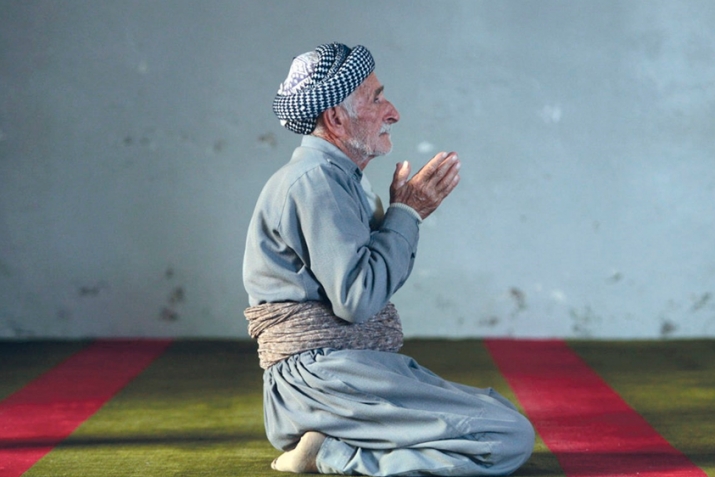
- Everyone knows that when one is ill, one needs a doctor. All men (except for the prophets) are prone to susceptibilities of the heart, such as envy, arrogance, showing off, love for the worldly, pride, etc. To get rid of and cure such sicknesses it is necessary to have a spiritual master, a sheikh.
- We observe the difference between the fruits of a tree growing in the wild and those which have grown in a well-groomed garden. A man who follows the path of self-perfection without a guide, is similar to the fruit tree growing in the wild.
- Every scholar, alim or master becomes what he is only with the support and assistance of another. Allah has created us to need one another. Since birth a child needs parental help and then in kindergarten, school and in higher education everywhere a person needs a tutor and teacher. How can one do without another’s help on the way of spiritual perfection?
- A man wishing to travel somewhere far, where the way is long and lies through forest, with many places which may lead him astray, full of snakes and predators, should have a guide for safety and for reaching his destination. The journey to Allah is most difficult, as man from adulthood is being constantly tested and put on trial. Sharia is also a road which is drawn for all people on earth. There are many dangers and temptations on this road, distracting people away from the true path of Allah. The biggest enemy is the nafs, or ego. Other enemies include: Satan, named in the Koran and hadith as “an enemy who does not retreat for a moment”, people who lead others astray; and the seductive beauty of the frail world. These enemies try to mislead us throughout the whole course of our lives. A sensible person would never say that a guide on this road is unnecessary.
Arguments from the Koran and Hadith
There are plenty of arguments supporting the necessity of a spiritual master in the Koran, hadith and the works of imams. For example, the Koran says, “Oh you who believe! Fear Allah and be with those who are truthful [in word and deed]” (Sura al- Tawbah, ayat 119). Almighty Allah also says, “… follow the way of those who have turned to me and believed in One God... ” (Sura Luqman, ayat 15) and “… keep yourself patiently with those who call on their Lord morning and evening, seeking His Countenance …” (Sura al-Kahf, ayat 28).
Likewise there are many hadith which encourage friendship with pious people. For instance: “The man is on the religion of his friend” (Abu Dawood, al-Tirmidhi).
Abu Ya’la narrates through an authentic chain, “Oh Envoy of Allah, whom should we stay with?” The Prophet Muhammad (peace and blessing be upon him) responded, “With those at the sight of whom you remember Allah.”
All the four imams write in their books that every one is obliged to have a sheikh: men, women, scholars, the illiterate, slaves and freemen. There are also many more reasons proving the necessity of having a spiritual master. (Haqaiq ‘an al-Tasawwuf, pp. 41-75).
Moreover, from the beginning of Islam until the present day man has been in need of scholars, alims, who explain the fundamentals of religion. Similarly, people need spiritual guides who bring them up in the spirit of Ihsan (sincerity), as everyone needs a mediator. Almighty Allah sent the Archangel Jibril to Prophet Muhammad (peace and blessings be upon him) with revelation (wahyu), Companions needed the Prophet and the their followers [tabi’in] needed the Companions.
In fact, Allah could have sent the Koran directly without a mediator, could have explained the Koran and Sharia to the Companions with no mediation by the Prophet Muhammad (peace and blessings be upon him), and could have delivered the Message to the tabi’in without the help of the Companions. How then is it possible to deny the necessity of mediation set by Allah Himself ?
The Koran and hadith could be compared to a drugstore full of medicine. What might happen if a sick man, having entered this drugstore, chose a medicine relying solely on his own understanding? Just as a doctor prescribes treatment according to the condition of a patient, similarly a Muslim also needs a doctor who will treat him in accordance with the Koran and hadith.
Those, who have a spiritual master, love their Sheikh, which love by chain reaches the Prophet Muhammad (peace and blessings be upon him). Hadith mention that on the Day of Judgement a person will stand beside the ones he loved. Likewise, everyday the murid carries out the tasks allocated by his Sheikh [dhikr, salawat, istighfar]. There is another hadith which says that small acts which are carried out regularly are more favourable to Allah, than big actions carried out occasionally.
Those who have a Sheikh, remember Allah, send salawat (blessings) to the Prophet Muhammad (peace and blessings be upon him) and repent more than others. There are many ayats (verses) and authentic hadith about the advantages of these acts, compiling whose benefits would result in a thick book. The follower of a spiritual master often remembers pious and righteous men, for which he receives blessings of Allah. So says Sufyan bin Uyainat.
FROM THE BOOK “FUNDAMENTALS OF RELIGION AND BIOGRAPHY OF PROPHET MUHAMMAD (PEACE AND BLESSINGS BE UPON HIM)”