
A Parable with a Hint for Life
The Student and the Door
The son of a nobleman was sent to study with a martial arts master. The young man was capable but impatient. He quickly mastered the basics of combat but did not want to continue to hone them, considering it a waste of time.
One day he turned to the mentor, “Teacher, how long can I repeat the same simple movements? Isn’t it time for me to start learning the real martial art that your school is famous for?” The teacher did not argue with him and allowed him to attend more complex classes. Thus, the young man mastered a dozen more hand-to-hand combat techniques.
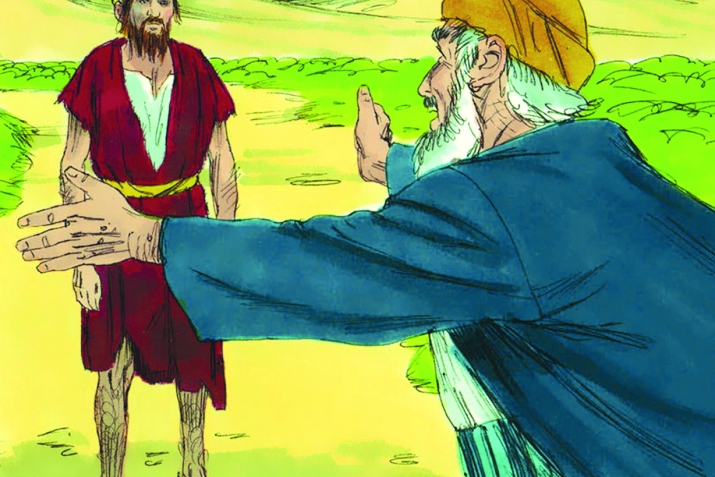
One day, the mentor wrote a letter to a nobleman, the father of his student, and asked him to deliver it as soon as possible. The young man walked through fields and forests and one day came to a beautiful meadow. There, an old man methodically repeated the same combat movement. The young man watched for a long time, but the old man did not stop his training. This seemed to the young man the height of nonsense.
He exclaimed, “Hey, old man, stop flailing around in the air! At your age, you will not be able to defeat even a child.” The old man replied, “Let the boy try to defeat him first, and then laugh.”
The young man tried to attack the old man many times but it was all useless. The mature opponent repelled all attacks and with the very one technique that he had been enthusiastically practicing until then. When the nobleman’s son lost almost all his strength, the old man calmly said, “I can kill you on the first attempt. But you are young and stupid. Go your own way.”
Ashamed and dissatisfied with himself, the young man came to his father with a letter from his mentor. The father unfolded it and immediately handed it to his son, “This is for you.” The teacher’s letter consisted of a short phrase, “One blow, brought to perfection, is better than a hundred half-trained ones.”