

Perfume - sunna of Prophet Muhammad ﷺ
Perfume - sunna of Prophet Muhammad ﷺ
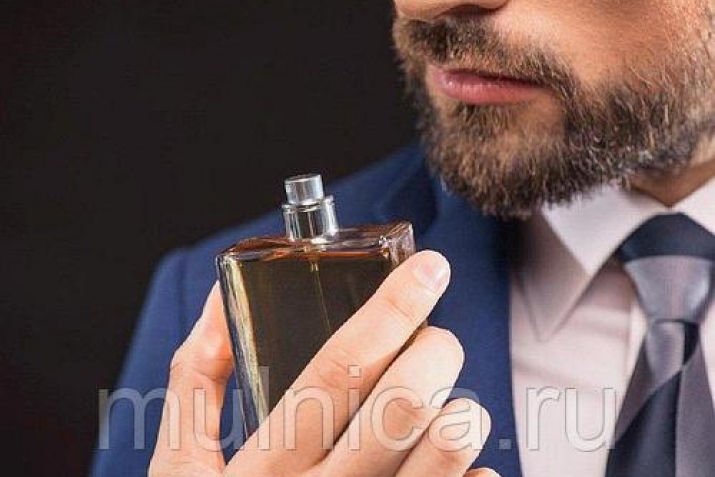
A good smell is naturally better than a bad one. In fact, it traverses nature to the realm of the spirit and fills it with strength and power. The energy of good perfume transforms to the body’s internal organs, and manifests itself in a healthy, joyful individual.
The human soul or spirit is its centre of energy and it is strengthened by pleasant smells. So when you spray on some good perfume, or light up some incense, or even when you smell the aroma of brewed coffee or a well cooked meal, a glimmer of happiness creeps into your heart, and your spirit gets uplifted and re-energized.
The Prophet Muhammad (peace and blessings be upon him) has emphasized his love of good perfume in hadiths. “God is Pleasant and loves pleasant things, Clean and loves cleanliness, Generous and loves generosity…” Anas (may God be pleased with him) relates that,
“The Prophet (peace and blessings be upon him) would not refuse perfume.” (Narrated by AlBukhari and At-Tirmidhi). Abu Huraira (may God be pleased with him) reports that the Messenger of God (peace and blessings be upon him) said, “Anyone offered rayhan (basil perfume) should not decline it. It is light in weight and fragrant in scent.” (Narrated by Muslim).
Cleanliness is an obligation in Islam. In the following Hadith, the meaning of a clean and pleasant body and soul is portrayed by the companion Anas (may God be pleased with him), “I did not touch any silk brocade nor silk softer than the palm of the Messenger of God (peace and blessings be upon him).
I did not smell any scent sweeter than the scent of the Messenger of God (peace and blessings be upon him). I served the Messenger of God (peace and blessings be upon him) for ten years and he never said to me, ‘Uff’ nor did he say about anything I had done, ‘Why did you do that?’ nor about anything I had not done, ‘Why did you not do that?’” (Narrated by AlBukhari and Muslim).
