
Family crises. A test of strength or a path to new closeness?
Both in the life of every family and in the life of an individual, difficult times are experienced. There are periods of flourishing, harmony and mutual understanding, when it seems it will always be this way. But inevitably, other times come – times of trials, misunderstandings, accumulated grievances and disappointments.
We are accustomed to calling these periods family crises. It is common to think of them as something purely negative, a natural disaster that must be weathered or avoided at all costs. However, this view deprives us of the opportunity to see the deeper meaning in a crisis, the hidden potential for growth and the chance to bring a relationship to a new, higher level.
A family crisis is not a verdict or the end of the story. It is a kind of growing pain, a pain of development. It is a moment when old behavioural patterns, habitual ways of interacting and assigned roles stop working. Spouses suddenly discover that they are speaking different languages, that they have stopped being heard and understood, that the love which once seemed inexhaustible has vanished, leaving behind only a feeling of fatigue and emptiness. This is painful and frightening but this very pain is a signal: things cannot go on like this; the system needs a reboot.
Psychologists speak of predictable, normative crises that almost all families go through. The first and one of the most acute is the crisis of the first year of marriage. This is a time of clashing individualities, two ways of life, two value systems. The infatuation that served as a kind of blinder weakens and the young spouses begin to see each other not as idealised heroes of a romance but as real people with their own habits and shortcomings. This period (the process of adjustment) is inevitable and necessary. The future of the union depends on whether the two learn to negotiate, make concessions and accept the other for who they are.
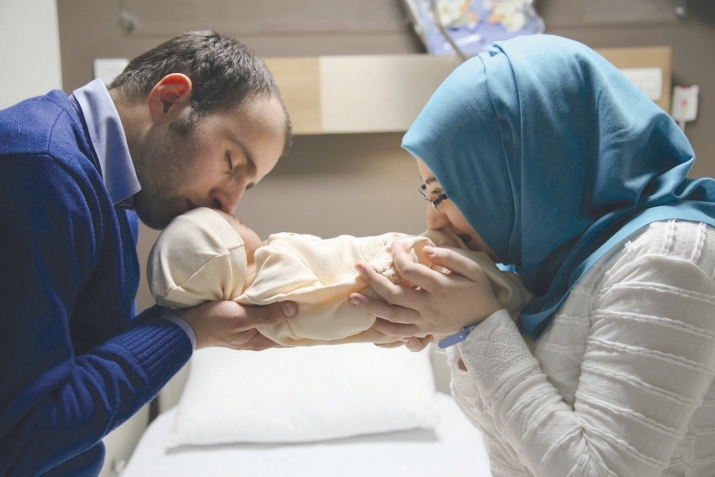
The next serious trial often comes with the birth of the first child. It would seem that such a joyful event turns into a real revolution in the life of a couple. A man may feel forgotten and pushed into the background, as all his wife’s attention now belongs entirely to the baby. The woman, immersed in caring for the child and experiencing tremendous physical and emotional stress, expects from her husband not just help but support, understanding and involvement. If the husband at this time buries himself in work or his hobbies, believing that his only duty is to provide money, a crack of misunderstanding widens in the family. This crisis requires spouses to relearn how to be not only parents but also husband and wife and to find time for each other in the new, changed rhythm of life.
The midlife crisis, affecting one or both spouses, is another serious challenge. This is a time of taking stock, re-evaluating values and regretting missed opportunities. A person may begin to behave in uncharacteristic ways, resorting to extremes, trying to prove to oneself and others that he or she is still young and full of energy. For the family this often becomes a difficult test. It can be hard for the other half to accept these struggles and understand their reasons. Here, patience, wisdom and the ability to have an honest, frank conversation about fears, doubts, and hopes come to the fore.
Separately, there are the crises associated with children entering adulthood, the so-called “empty nest syndrome”. Spouses who have devoted all their energy to raising children for many years suddenly find themselves alone with each other and with an unfamiliar feeling of emptiness. They may be surprised to discover that they have become strangers, that they have no common topics of conversation left besides everyday life and their children’s problems. This period is a time to rediscover in each other not the parent of their children but the very person they once fell in love with, to find new shared interests and to rebuild a relationship based not on parental duty but on partnership and friendship.
In addition to these predictable, age-related crises, there are also sudden, acute crises caused by external circumstances: a serious illness of a family member, job loss, financial difficulties, relocation, etc. Such events act like a hurricane, testing the strength of all the bonds that seemed unshakable.
So how can a family not only survive a crisis but emerge from it renewed and strengthened? The first and most important step is to acknowledge that there is a problem. Silence, the attempt to pretend that nothing is happening, only worsens the situation, turning the conflict into a chronic, destructive phase. One must find the courage to face the truth and say to oneself and one’s partner: “There is a serious difficulty in our relationship. Let us try to figure it out together.”
The second key point is the ability to talk. But not in the way we are used to – with reproaches, accusations and listing old grievances. We are talking about a dialogue in which the main thing is not to speak but to hear. One must learn to express one’s feelings and not to make emotional charges. Instead of “You constantly ignore me”, try saying “I feel hurt and lonely when we do not talk”. This requires tremendous effort and self-control, but it is precisely this language that helps break through the wall of misunderstanding.
A huge role is played by the willingness to compromise and change one’s behavior. Stubbornly standing one’s ground, refusing to make the first move out of principle, is a sure path to the abyss. A crisis always involves two people and the way out of it does too. Sometimes, to save a relationship, one must be able to give up some of his or her ambitions, habits or expectations. This is not a defeat but a reasonable compromise for the sake of something greater.
And finally, one should not be ashamed to seek help. If you cannot cope on your own, if the dialogue has reached a dead end, the help of an experienced family psychologist or counselor can become that very lifesaving bridge that helps you find your way back to each other. With a specialist, you can see the situation from the outside, understand the hidden mechanisms of the conflict and develop new, healthy modes of interaction.
A family crisis is like a severe storm at sea. It tests both the ship and the crew. You can get scared, panic and abandon the helm, dooming yourself to a shipwreck. Or you can, gritting your teeth, work together, bail out water, reef the sails and hold the course. And then, when the storm subsides, you will not simply find that you have remained afloat. You will understand that your crew has become a real team, that you trust each other like never before and that your ship, though battered, has proven its reliability. And in this realisation lies the ultimate victory over any crisis.