
Top ten rules about how to raise children
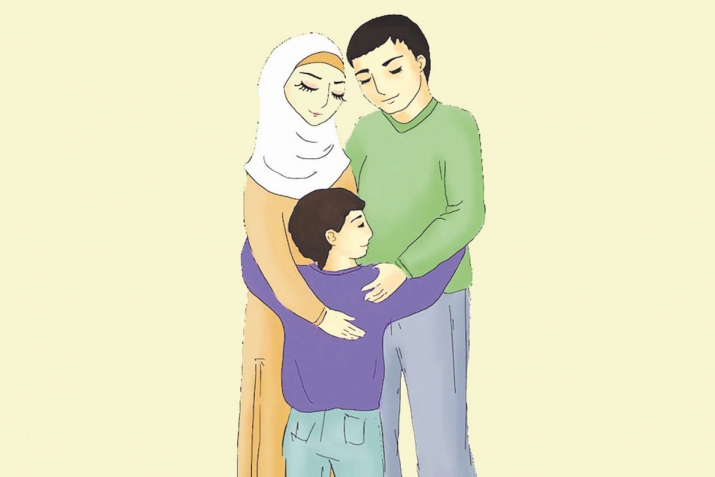
Have you noticed that sometimes out of cute kids such terrible monsters grow, who shock not only parents, but also those around? It raises the issue - where did the failure in education occur? These proposed ten rules will help, if not to avoid the appearance of such a problem, then at least to minimise it.
1. The birth of a child, like everything else, depends on the Almighty.
As for you personally, be ready to take care of the child, give him protection and good education until he reaches adulthood. Good upbringing in this case is to raise an independent person who is responsible for his actions and choices, regardless of whether it is a girl or a boy.
2. The child came into this world with his mission.
Therefore, in no case do not spoil his fate, let him show his abilities and natural aspirations: to study, play, communicate and work. Otherwise, you will be punished in the future with a sense of guilt for “missing somewhere”. You did not miss, but you made the child miss his opportunity.
3. Accept the child as he is.
Many, having become parents, stop the “engine of personal growth”, while it is the ability to be a good parent that requires of you development and movement towards excellence. Love your child, appreciate him and encourage him. A hadith say,: “Whoever is not merciful will not be treated mercifully.”
Also, one of the hadith says that once, when the Messenger of God (peace and blessings be upon him) pampered and kissed his grandsons Hasan and Hussein, one of the companions said, “I have ten children, but I never kissed any of them,” to which the Prophet (peace and blessings be upon him) answered, “What can I do for you if God has removed mercy from your heart.”
4. Your child is a person!
Do not ignore his opinion, feelings and emotions. Children are often wiser than us. Why? Because the stream of truth from their souls flows smoothly and without barriers. “Every newborn appears in a state of fitr,” says a hadith. That is, every child is pure from vices and evil, it is only our upbringing which makes him “bad”. Therefore, do not be afraid of the naturalness of your child, be attentive to him, listen to him, ask and even consult with your “little professor”.
5. Never lie to a child!
Never! There is no truth that he “should not know”. Lying is forbidden, even in jest. If you have a good reason not to tell your child something, be direct and explain what prevents you from being open and honest. Silence will not help either, because children are very sensitive. Teach them mutual trust from childhood.
6. Do not find fault with the body of your children.
This is especially true for posture. Posture is an indicator of confidence and security. If you want the child not to slouch, provide him with a sense of security: do not suppress, do not scold and do not insult. Do not force him to wear uncomfortable clothes, even if they are beautiful. The health and comfort of a child is more important than how he looks.
Do gymnastics and physical education with your children. In addition to being useful, it is also fun!
7. Let your child be as independent as possible.
Do not do everything for him. Help only with what he cannot cope without your help. Over time, gradually expand the zone of his independence.
8. Do not compare your child to others.
He is one of a kind, just like the other seven billion in this world. A timely understanding of this will save you from vanity and the desire to assert yourself in the future.
9. Believe in your child, believe in his best qualities and potential.
This faith will return to you in the future with pride in the personal and professional achievements of your child.
10. The rule for parents.
Despite the need for education, you have the right to your life, activities and personal interests. Let your household respect the time that you are obliged to spend on yourself: hobbies, recreation and pleasant little things. Take care of yourself, dear parents. And then caring for others will bring you great joy and pleasure.