

The virtue of the month of Shaban
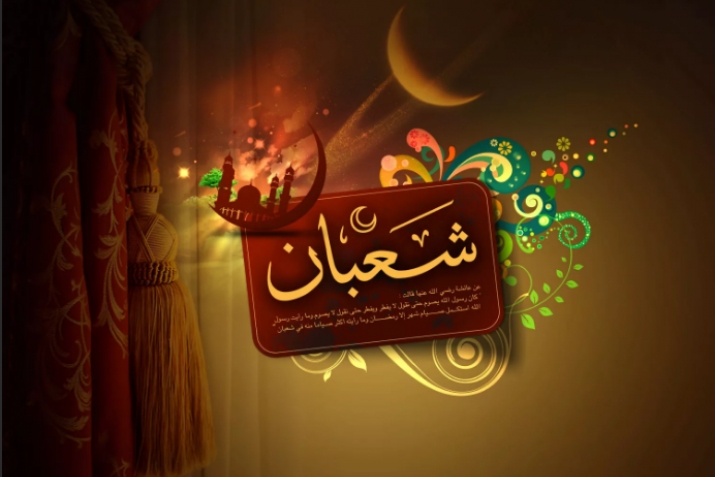
Shaban is the eighth month of the Muslim lunar calendar and is considered one of the months especially marked in the Sunna of the Messenger of God . It is reported that the Prophet used to fast for most of the month of Shaban with the exception of its last days.
In a hadith transmitted from the mother of the faithful Aisha , it is said that the Messenger of God fasted so much that it seemed that he would not stop fasting, and, on the contrary, sometimes he abstained from fasting for so long that it seemed that he would no longer fast: “And I have never seen the Prophet fasting in any month more than in the month of Shaban, except for Ramadan, observing the fast all month.” (Narrated by Al-Bukhari, Muslim)
With the coming of the month of Shaban, the Messenger of God said, “Purify yourself and improve your intentions and thoughts.” Many believers find it difficult to maintain the spiritual state required by Ramadan and in its last ten days they complain that the holy month is wasted for them. The reason for such disappointments is that people do not have time to prepare themselves spiritually, although they manage to do so physically (having made food in advance for both suhoor (the pre-dawn breakfast) and iftar (breaking fast).
Many righteous people, realizing the importance of the whole month of Ramadan, prepare themselves for it in two other months, observing fasting in the months of Rajab and Shaban.
Abu Bakr al-Balhi said, “Rajab is the month of planting, Shaban is the month of irrigation and Ramadan is the month of harvest. And if a person does not sow anything in the month of Rajab, does not water in Shaban, what will he reap in Ramadan?” For the Prophet the most beloved (desirable) worship was a deed performed regularly, even if it was small.
And whenever the Messenger of God performed (desirable) prayers, he tried to do so regularly. So let us use the month of Shaban as much as possible in observing fasting, making prayers, reading the Koran and thus approach Ramadan spiritually enriched, as if this were the last Ramadan of our life.
