

Five rewards for fasting
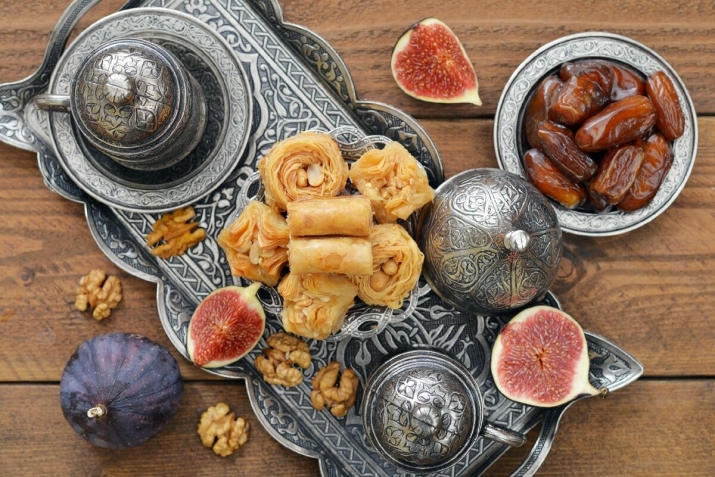
Rajab marks the beginning of the ‘three holy months’ that the faithful were eagerly awaiting. The blessed month of Rajab is a special time filled with mercy and generosity from the Merciful Allah. This month, which is one of the four forbidden months, is noted in the Islamic tradition as a period when good deeds acquire even greater value. Every good deed performed during these days promises a reward that exceeds expectations.
One of the most revered deeds in the month of Rajab is fasting. This act of worship not only purifies the body but also elevates the soul, strengthening the connection of the believer with the Creator. According to the Sunna of the Prophet ﷺ, the fasting person gains special benefits. These are what we will discuss in our article.
Attainment of Paradise
According to the authentic chain (isnad), Imam Ahmad and Isfahani from Abu Huraira narrate the hadith, “Whoever fasts with the intention of seeking the pleasure of Allah and dies on that day, will enter Paradise.”
Protection from the Fire of Hell
Imam Ahmad narrates from al-Bayhaqi a hadith which says, “Fasting is a shield and an impregnable fortress that protects from the fire of Hell.”
Another saying of the Prophet ﷺ says, “Whoever fasts one day with the intention of seeking the pleasure of Allah, He will distance him from Hell by such a distance that a crow could not fly from birth until death due to old age.” (Narrated by Imams Ahmad, Al-Bayhaqi, At-Tabarani).
Intercession on the Day of Judgement
A hadith says, “Fasting and the Koran intercede for the slave of God on the Day of Judgement. Fasting says, “My Lord! I have deprived him of food and drink during the bright part, so allow me to intercede for him!” And the Koran says, “My Lord! I have deprived him of sleep at night, so allow me to intercede for him!” – and their intercession is granted.” (Narrated by Imam Ahmad).
Reward from the Lord
The Messenger of the Almighty ﷺ said, “Every good deed of the son of Adam will be multiplied and the smallest reward for a good deed will be tenfold but it can increase to seven hundredfold. Almighty Allah says, “With the exception of fasting, for verily, fasting is observed for My sake, and I will reward for it, for a person renounces the satisfaction of his desires and his food for My sake!”…” (Narrated by Imam Muslim).
Dua is accepted
The hadith says, “There are three categories of people whose dua (supplication) is not rejected: 1. a fasting person until he breaks his fast; 2. a just ruler; 3. an oppressed person.” (Narrated by Imams Ahmad and At-Tirmidhi).
Source: Islam.ru
