

The consequences of the first rally in the history of Islam
The consequences of the first rally in the history of Islam
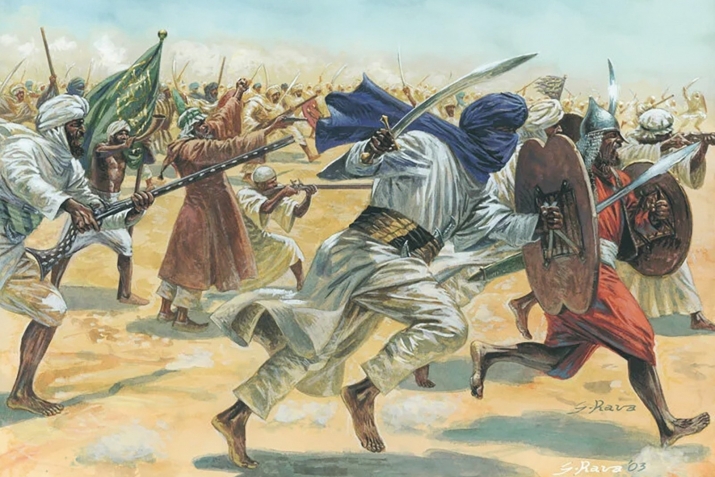
The murder of Uthman opened a whole series of rebellions. Huzaifa says: “The first turmoil is the murder of Uthman, and the last is the coming of the false messiah (Antichrist, Dajjal). By Allah, in Whose power is my soul, the man who has in his heart even the slightest grain of approval (desire) for the murder of Uthman will certainly follow the Antichrist if he witnesses his advent before his death. But if this man does not witness the advent of Dajjal, he will believe in him in his grave.”
The division of the Muslim community into two parts - Sunnis and Shiites - originates from this period. This occurred due to the efforts of Abdullah bin Saba.
Let us recall that this is the same Ibn Saba who claimed that he loved Ali bin Abu Talib very much and that Ali had more rights to be the caliph than Uthman bin Affan. However, in the end, he was the reason for the murder of Uthman. He also plotted against Ali, which resulted in two unfortunate battles between Muslims, as well as the emergence of dissenters - the Kharijites. Ibn Saba fanned the flames of this unrest, starting with plans to kill Uthman and ending with plans to kill Ali.
Yes, after the murder of Caliph Uthman, the rebels robbed the Caliph’s house, then went to the state treasury and robbed it too.
P.S.
Such Abdullahs, dreaming of sowing discord among Muslims, exist in our time. They call for rallies, uprisings and unrest, hiding outside the country. They do not care at all about the fate of our Motherland, the fate of Muslims. They are not able to travel around different countries and cities and control the minds of many people, as Abdullah ibn Saba did (they simply do not have the intelligence or courage for this), but behind them are puppeteers who, it must be admitted, manage to successfully sow discord and unrest thanks to the World Wide Web.
Dear brothers and sisters! Sheikh Ramadan al-Buti writes that anyone who has studied the positions of the Kharijites and their transformation from assistants and defenders of Ali to his enemies and rebels will not doubt that they became victims of extreme radicalism. Islam in its tenets of faith and rules of conduct is based on moderation. The limits of moderation can be understood only through the norms and standards of true knowledge. He who draws his knowledge from the sources of Islam, submits to its rules and requirements, who seeks gentleness and is armed with patience, will be freed from the urge to excess or to be lax in observance.
Ramadan al-Buti also writes that most of those rebels were rude, ill-mannered nomads and hard-hearted Arabs. They did not possess the knowledge that would lead them to meekness, kindness, prudence and patience. Therefore, they accused Ali of unbelief because he agreed to arbitration. From this attitude of the Kharijites came their habit of labeling people as unbelievers.
The consequences of these extremes are felt even in our era. The habit of accusing of unbelief at the slightest provocation embodies the mindset of radicalism. This is a worldview that is rejected by true knowledge.
Therefore, we should draw knowledge about our religion from proven sources, from true scholars and theologians and follow them - this is our salvation in both worlds.
