

“Safe smoking” – way of choking?
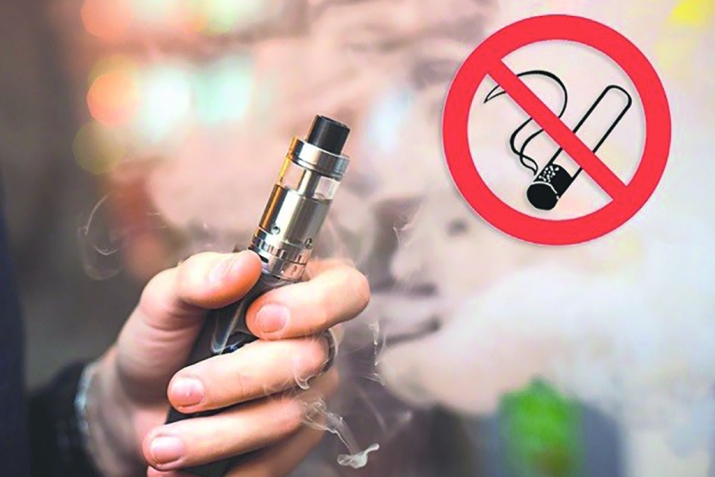
Whiffing a smoke-like substance containing a variety of flavorings like peach, strawberry and caramel - a brand-new yet seemingly harmless fad for so many, plus, it comes in such a cool kit.
Finding such an object in my child's belongings, I could not actually figure out what it was. It turned out to be an «electronic cigarette». There is no smoke, no acrid smell of tobacco and it is so small and comfy but just enough to keep your parents in blissful ignorance of your new pastimes. Have you heard anything about the so-called these «harmless» smoking alternatives? E-cigarettes are known by the popular name «vape» (from the word vapour – «steam», «soar», «let off steam»)
E-cigarettes are battery-powered smoking devices. They have cartridges filled with a liquid that usually contains nicotine, flavorings, and chemicals. The liquid is heated into a vapour, which the person inhales.
It is commonly stated that the modern e-cigarette was first invented in China back in 2004 as part of an effort to treat nicotine addiction, so in the wake of spreading some healthy lifestyle ideas, its popularity grew rapidly. Although e-cigarettes appeared to primarily help people quit smoking habits, recent studies have warned of adverse health effects both for vapers and those who are exposed to secondhand smoke since the first vape-related death was recorded in 2019.
The vapor typically comes in different flavours and contains an e-liquid and nicotine which is a highly dangerous neurotoxin. The level of nicotine concentration in an e-liquid reaches 25% (from 0 to 30 mg of nicotine per 1 puff). Nicotine is a toxic substance, thus, it is important to keep in check the amount of liquid consumed due to the poisonous compounds it contains which might be the cause of increased heart beats, headaches, dizziness, nausea and vomiting. Nicotine, naturally found in cigarettes, is the most common form of chemical dependency, thus addiction and some of the persistent cravings arise.
The average vape user puffs smoke more often than a typical smoker does for an equal dose of nicotine content. Inhalation of e-cigarette vapour can lead to specific diseases such as bronchitis, respiratory tract damage, lung injury and can have a lethal outcome. Teenagers of junior and senior school age are becoming increasingly addicted to smoking as it makes them look different and stand out from the crowd. Everyone wants to look more confident, mature, and act way older than they are with vaping being a telltale sign of their growing self-reliance. This sort of «shift» from traditional to e-smoking has helped the so-called «vapers» subculture to emerge.
The use of vapes has a devastating effect on teens; it is highly addictive and habit-forming. From the physiological point of view it contributes to the development of various diseases, such as hypertension, an increased risk of ischemia and angina, as well as myocardial infarction at an early age. The frequent use of e-cigarettes is known to enhance the likelihood of getting gastric ulcers and even cancer tumors. While the effects of some hazardous chemical compounds within e-cigarettes on growing teens may not be immediate, there's a high risk of suffering numerous pathologies, if they are consumed regularly.
There are some more disguising ways of «non-dangerous» ways of smoking and one of them is the hookah, which is branded as chemicals-free yet none the less fashionable time killer; the smoke from one clog (10 g of tobacco mixture) contains 800 mg of resins, which is the equivalent of 5 packs of strong cigarettes.
According to research carried out by the World Health Organization one session of hookah delivers as much as 200 times more toxic smoke into the lungs than from a cigarette. Besides this, non-compliance with hygienic principles raises serious concerns along with the smoking process itself because the mouthpiece in the hookah can harbour and transmit a number of viruses such as hepatitis, herpes and tuberculosis from one user to another when shared. Smoking a hookah significantly increases the risk of pancreatic cancer, oxygen starvation, heart disease, lung cancer, DNA mutations and infertility.
Spice is a variety of synthetic drugs mainly consumed by teens as a target audience as they are particularly unaware of what is in a spice pack and what a one–time use of it can lead to: the substance is deadly as part of a group of opiates. It affects the dopamine receptors and cause physical dependence upon first use. It is extremely difficult if not impossible to help a person who has fallen ill from an unknown chemical substance.
- Products substituting tobacco consumption without smoke, such as snus (absorbing), nasvai (chewing), dry snuff (inhaling). These products are no less dangerous to human life and health. «Anti-smoking laws» have affected the a number of people who have stopped using cigarettes, but at the same time the number of those who use electronic cigarettes, hookah and other substances as their substitute has increased dramatically. This has become especially fashionable in teenage and youth environments.
A step-by-step guide to talking to children and teenagers about potential risk factors:
- Speak slowly and moderately. Do not put it on a waiting list until a later date. Smoking is a gained habit which one starts experimenting at the age of 11-12.
- Talk about the risks of tobacco;
- If you have found cigarettes, vape, spice, etc. in your child's belongings, take a break, do not be quick to judge and try to figure out the problem first;
- Back up your conversation with some of the statistics about adverse effects of smoking referring to researchers in that field and scientific data to show how dangerously insecure their choice is;
- Keep things in the circle of trust: if a child is in trouble, he surely needs to see you as the right person to turn to. Regardless of the choice of the type of smoking device or substance, all of them harm those who are nearby as well as the smoker itself.
It is important not to forget about the harmful effects of nicotine consumption, even in a seemingly safe way, as well as carrying out preventive measures to inform people of the potential health risks associated with nicotine addiction.
MARIA VOLKOVA
